
Germany Approves Major Expansion of Intelligence Agencies’ Powers
· 79 views
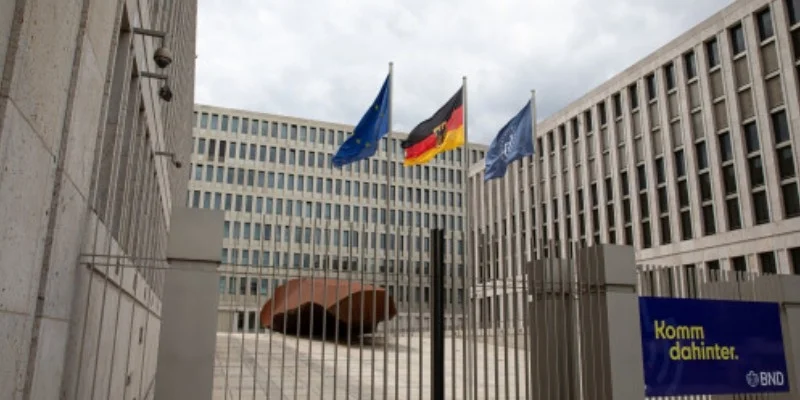
Berlin (Terror Monitor) — Germany’s federal cabinet, led by Chancellor Friedrich Merz, has approved a controversial package of reforms expanding the powers of the country’s foreign and domestic intelligence agencies.
The package, comprising more than 700 pages of proposals, would significantly broaden the authorities of the Federal Intelligence Service (BND), Germany’s foreign intelligence agency, and the Federal Office for the Protection of the Constitution (BfV), which is responsible for domestic security.
Under the reforms, both agencies would have greater powers to collect and store information and data. They would also be able to take more active measures against sabotage, hacker attacks and other threats to Germany’s security.
Nina Warken, a minister in the Chancellery, said Germany would no longer be forced to simply stand by in the face of foreign interference, sabotage and threats to its free and constitutional order. She said the reforms would enable German intelligence agencies to respond more effectively to changing circumstances and modern security challenges, including hybrid attacks.
The reforms have sparked concern among political and civil rights groups, with critics warning that the expanded intelligence powers could pose risks to citizens’ fundamental rights.
Wolfgang Kubicki of the Free Democratic Party (FDP) criticized Interior Minister Alexander Dobrindt’s reforms, warning that the legislation could face scrutiny by Germany’s Federal Constitutional Court.
Dobrindt defended the package, describing it as the beginning of a “new era” for Germany’s intelligence services and arguing that the expanded powers would allow them to better protect the state and its citizens against both domestic and foreign threats.
Related Articles
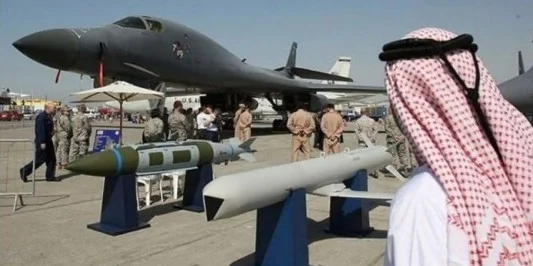
US Approves $5 Billion Arms Sale to Saudi Arabia
The U.S. State Department has approved a $5 billion military equipment sale to Saudi Arabia, including guidance systems for thousands of bombs and long-range missiles. Washington said the deal would strengthen Saudi Arabia’s air-defense capabilities and contribute to stability and economic development in the Gulf.

Pakistan Appoints Major General Faisal Naseer as NACTA National Coordinator
Pakistan’s federal government has appointed Major General Faisal Naseer as National Coordinator of the National Counter Terrorism Authority (NACTA) for a three-year term. Naseer, a former head of the ISI’s Internal Wing, takes charge as Pakistan faces rising militant violence, particularly in Khyber Pakhtunkhwa and Balochistan.

Israel and Greece Sign $3.5 Billion Defense Deal for Multilayered Air Defense System
Israel and Greece have signed a $3.5 billion defense agreement, their largest arms deal to date, under which Athens will acquire a multilayered Israeli air defense system designed to counter ballistic missiles, drones and other aerial threats.
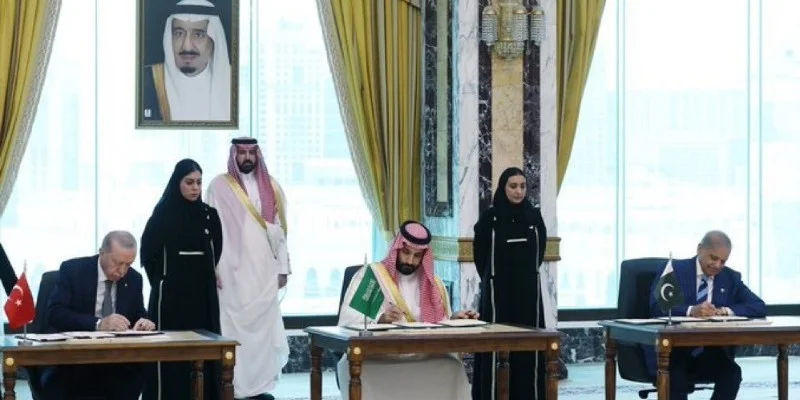
Turkey, Saudi Arabia and Pakistan to Hold First Meeting Under New Joint Defense Pact
Turkey, Saudi Arabia and Pakistan are set to hold their first committee meeting in Istanbul under the Makkah Joint Defense Agreement, which treats an armed attack on any one of the three countries as an attack on all. The pact aims to strengthen collective defense, military coordination and cooperation in the defense industry amid rising tensions across the Middle East.