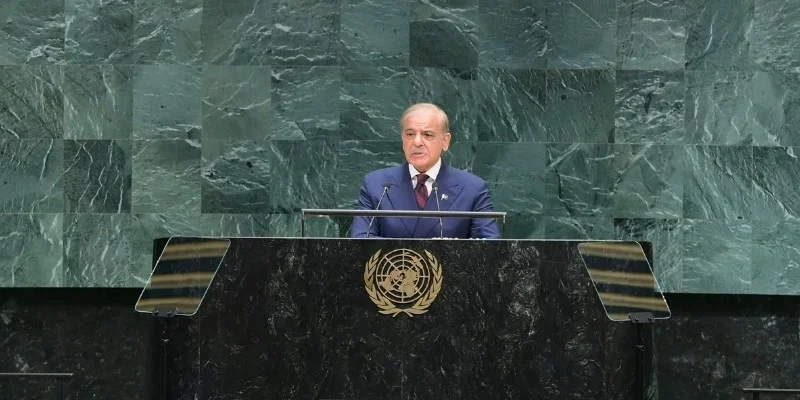
Trump Rejects Iran’s Offer to Reopen Strait of Hormuz and Resume Nuclear Talks
· 67 views
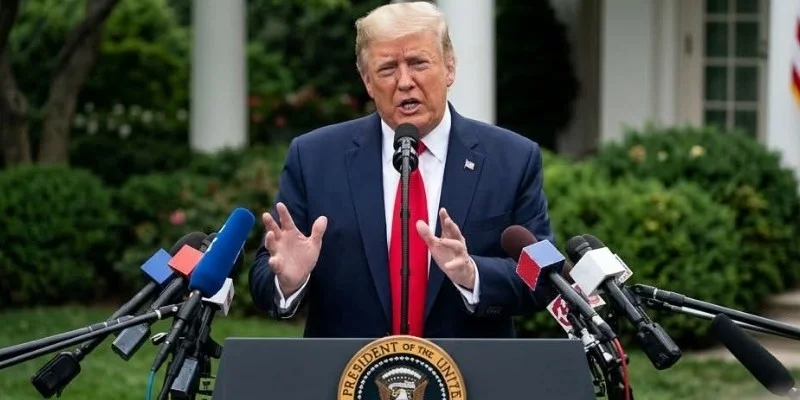
Washington, D۔C. (Terror Monitor) — U.S. President Donald Trump has rejected an Iranian proposal to reopen the Strait of Hormuz within seven days and resume negotiations over Tehran’s nuclear program.
Speaking to reporters as he departed the White House on Saturday, Trump declined to accept the proposal put forward by Iran.
Under the proposal, Iran said it would be prepared to reopen the strategic waterway within seven days and resume nuclear negotiations with the United States if Washington ended the naval blockade of Iranian ports, eased restrictions on Iranian oil sales and respected a ceasefire that would include Lebanon.
Iranian Foreign Minister Abbas Araghchi said Tehran’s proposal was aimed at reducing regional tensions and creating conditions for the resumption of nuclear talks. He said Iran was prepared to begin implementing the plan if the United States agreed to its conditions.
The proposal was presented through intermediaries as indirect contacts between the United States and Iran continued on the sidelines of the United Nations General Assembly in New York.
Trump’s rejection came hours after he posted an image of the Strait of Hormuz on his social media platform, Truth Social. The image carried the words “Trump Strait,” in what was viewed as his first public response to Iran’s proposal.
The White House said Friday that discussions involving U.S. officials and intermediaries over the conflict were continuing.
Pezeshkian Leaves New York
Meanwhile, Iranian President Masoud Pezeshkian has departed New York for Tehran after attending the annual United Nations General Assembly session.
In his address to the General Assembly, Pezeshkian rejected Trump’s threats against Iran but said Tehran remained open to a diplomatic solution.
Iranian officials have maintained that Tehran is willing to pursue diplomacy over its nuclear program, while insisting that any agreement must be reached without what they describe as coercion or military pressure.
Araghchi Outlines Iran’s Proposal
Araghchi said the Iranian plan would require Washington to take several steps, including ending the naval blockade of Iranian ports, easing sanctions on Iranian oil exports and respecting a ceasefire that would also cover Lebanon.
In return, Iran would reopen the Strait of Hormuz within seven days and resume negotiations over its nuclear program.
The Strait of Hormuz is a crucial global energy corridor connecting the Persian Gulf with the Gulf of Oman. Any prolonged disruption to shipping through the waterway could have significant consequences for global oil supplies and energy markets.
Statement on Mojtaba Khamenei
In a separate interview, Pezeshkian also said that Iran’s Supreme Leader, Ayatollah Mojtaba Khamenei, was in good health and was not suffering from any serious medical condition.
The statement came amid limited public appearances by Khamenei since the start of the conflict.
Trump’s rejection of Tehran’s seven-day proposal leaves the future of U.S.-Iran diplomatic efforts uncertain, as indirect contacts and mediation efforts continue amid heightened regional tensions.
Related Articles
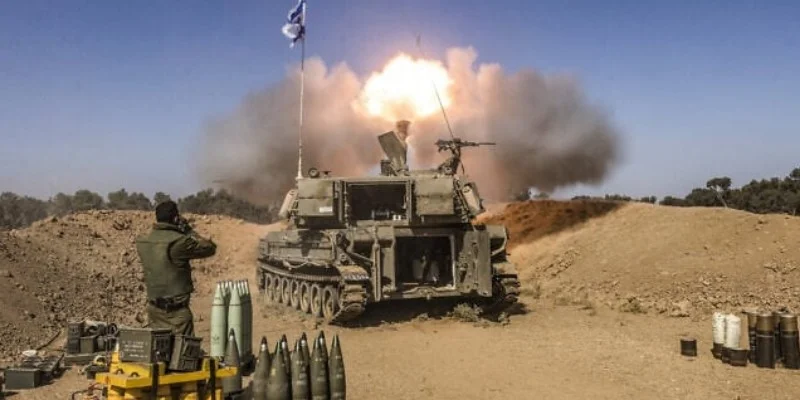
Israeli Forces Shell Several Areas in Southern Lebanon
Israeli forces shelled several areas in southern Lebanon, including Mansouri, Majdal Zoun, Wadi Hassan, Baraachit and Hadatha, according to Lebanon’s state-run National News Agency. Israeli warplanes were also reported flying at low altitude over Tyre and surrounding areas. No immediate casualties were reported.
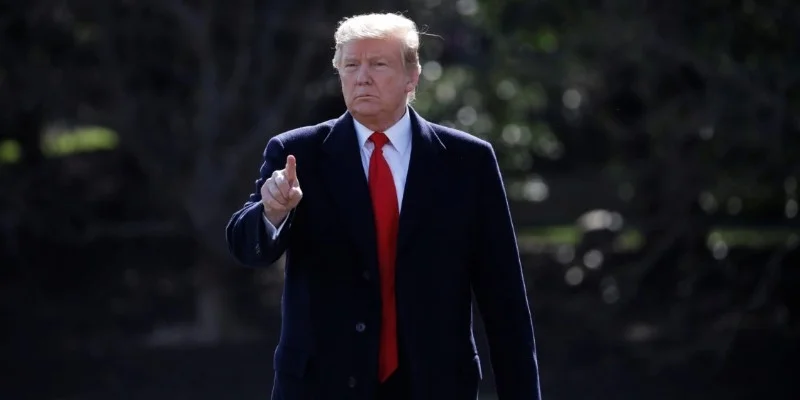
US President Trump Rejects Iran’s Seven-Day Ceasefire Proposal
U.S. President Donald Trump has rejected Iran’s proposal for a seven-day ceasefire aimed at ending the conflict, reopening the Strait of Hormuz and restarting nuclear negotiations, according to The Wall Street Journal. Iranian Foreign Minister Abbas Araghchi said Tehran was ready to implement the plan immediately if Washington agreed, while U.S. officials said diplomatic contacts with Iran were continuing through intermediaries.
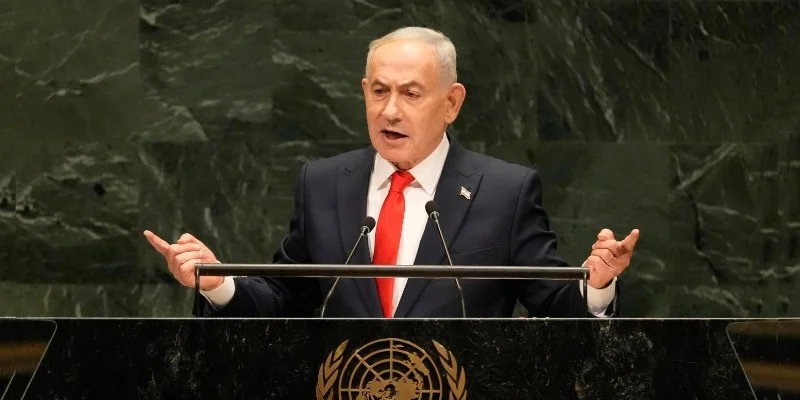
Netanyahu Defends Israel’s Military Actions at UN as Dozens of Delegates Walk Out
Israeli Prime Minister Benjamin Netanyahu defended Israel’s military operations in Gaza, Iran and across the Middle East during his U.N. General Assembly address, as dozens of delegates walked out in protest. Netanyahu rejected allegations of genocide in Gaza, criticized Palestinian President Mahmoud Abbas and Turkish President Recep Tayyip Erdogan, and accused international critics of targeting Israel unfairly.