
India Charges Jamaat-ud-Dawa Chief Hafiz Saeed in Pahalgam Attack Case
· 94 views
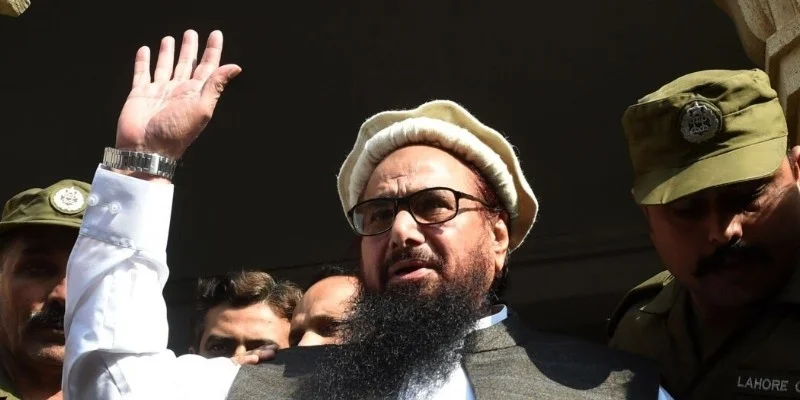
NEW DELHI (Terror Monitor) — India's National Investigation Agency (NIA) has filed charges against Hafiz Saeed, the chief of the banned Jamaat-ud-Dawa and founder of the banned militant group Lashkar-e-Taiba, accusing him of involvement in the deadly Pahalgam attack in Indian-administered Kashmir.
The attack, which took place last year at the tourist resort of Pahalgam, killed 26 people and sharply escalated tensions between India and Pakistan, leading to cross-border military exchanges. India has alleged that the attackers were linked to Pakistan and received support from Islamabad. Pakistan has denied the allegations and called for an independent investigation.
The NIA had already filed a charge sheet in December against Lashkar-e-Taiba, its alleged affiliate The Resistance Front (TRF), and six individuals in connection with the case. Authorities said TRF initially claimed responsibility for the attack but later retracted the claim.
According to the NIA, Hafiz Saeed has now been charged both in his personal capacity and as the alleged head of Jamaat-ud-Dawa and Lashkar-e-Taiba. The agency said the charges include conspiracy, aiding the attack, waging war against India, and orchestrating cross-border terrorism.
The NIA stated that the supplementary charge sheet, filed in continuation of its original 1,597-page filing, includes details of Pakistan's alleged role, Hafiz Saeed's alleged involvement, and evidence gathered through forensic analysis and field investigations.
Hafiz Saeed has also long been accused by India of involvement in the 2008 Mumbai attacks, which killed 166 people. He has been imprisoned in Pakistan since 2020 after being convicted in terrorism financing cases.
Pakistan's Foreign Ministry and Interior Ministry did not immediately comment on the latest charges.
Speaking to Deutsche Welle, Pakistani security analyst Dr. Qamar Cheema, Executive Director of the Sanober Institute in Islamabad, described India's move as politically and diplomatically motivated.
He argued that charging a person already serving a prison sentence in Pakistan would not have any significant legal or diplomatic consequences internationally. He also said India had failed to provide evidence supporting its allegations of Pakistan's involvement in the Pahalgam attack after Islamabad requested proof.
Dr. Cheema added that Pakistan has increasingly refrained from officially responding to such accusations, arguing that India routinely blames Pakistan or Pakistani nationals for major security incidents.
Related Articles
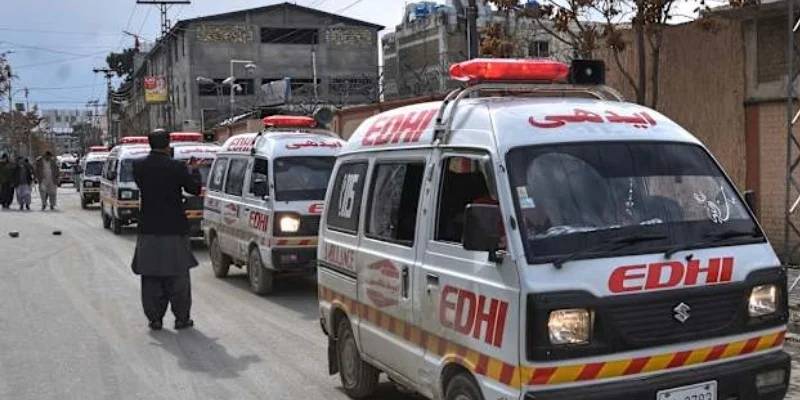
Pakistan: BAP District President Killed in Balochistan, Six Bodies Recovered in Mastung
BAP district president Abdul Rahman Langove was shot dead by unidentified armed men outside his home in Nushki, while six bullet-riddled bodies were recovered from two locations along the Quetta-Karachi National Highway in Mastung, Balochistan.
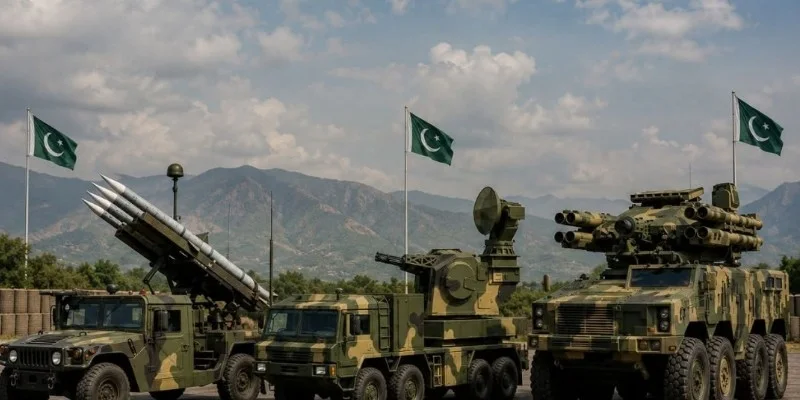
Pakistan Army Says 21 Militants Killed in Operations Along Afghan Border
Pakistan’s military says 21 militants were killed in security operations and clashes in Khyber Pakhtunkhwa, including 17 in North Waziristan. The military also said the total number of militants killed while attempting to infiltrate Pakistan has reached 25.
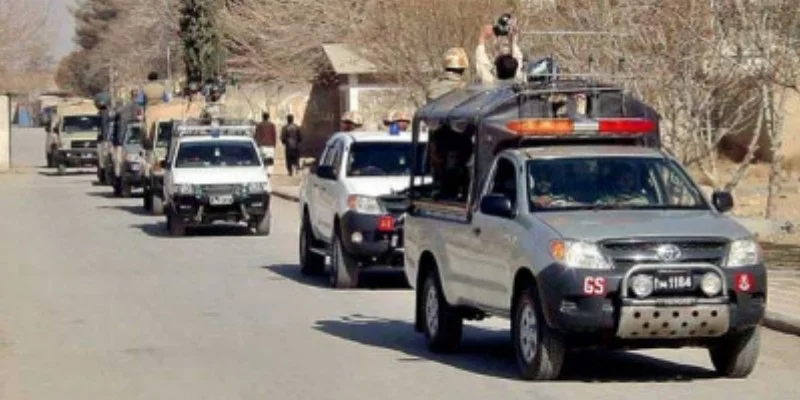

KP Chief Minister Criticizes Maryam Nawaz Over Terrorism Remarks
Khyber Pakhtunkhwa Chief Minister Sohail Afridi has criticized Punjab Chief Minister Maryam Nawaz over her remarks that Punjab faces a greater security threat from neighboring provinces than from neighboring countries. Afridi accused her of undermining Pakistan’s position on terrorism and said the statement had given India and Prime Minister Narendra Modi a “clean chit” over terrorism in Pakistan.