
Iran Rebuilds Missile Bases and Moves Military Infrastructure Underground Amid Fears of Renewed US-Israeli Strikes
· 134 views
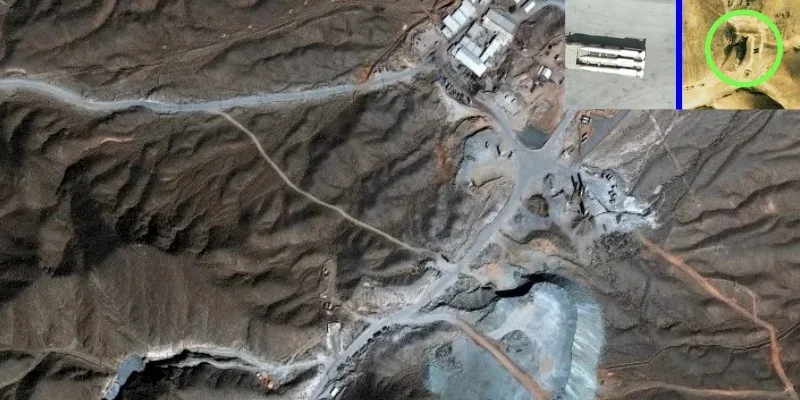
Washington, D.C. (Terror Monitor) — Iran is undertaking extensive construction and reconstruction work at several major military installations, including facilities linked to its ballistic missile programme, as Tehran seeks to restore infrastructure damaged by months of US and Israeli airstrikes and strengthen its defences against possible future attacks.
An analysis of satellite imagery by British intelligence company MAIAR has identified excavation activities and the construction of new buildings near at least two strategically important Iranian military installations: the Garmdareh military base in Karaj, near Tehran, and the Shahroud military base in northern Iran.
Satellite images recorded in November show evidence of significant construction work at both locations, raising questions about whether Iran is rebuilding its missile production capabilities and relocating sensitive military infrastructure underground to protect it from further aerial bombardment.
According to MAIAR analysts, at least 12 additional Iranian military locations, including missile complexes and air bases, also show signs of reconstruction and repair following previous American and Israeli attacks.
The findings suggest that Tehran is pursuing a broader effort to restore its military infrastructure while adapting its defence facilities to reduce their vulnerability to future strikes.
Former CIA analyst Jim Lamson, who specialised in Iran-related intelligence assessments, said the excavation work near Shahroud could potentially be connected to missile production.
He suggested that the Islamic Revolutionary Guard Corps (IRGC) may be exploring ways to relocate parts of its missile manufacturing infrastructure underground because military facilities in the Shahroud area have been repeatedly targeted in recent years.
A MAIAR analyst said Iran appeared to be increasingly moving sensitive infrastructure underground to protect it against additional attacks.
Former head of the Irish military Mark Mellett said underground construction offered another strategic advantage because it made it more difficult for outside observers to establish the size and operational status of military facilities.
The apparent expansion of underground infrastructure could complicate Western intelligence assessments by making it harder to monitor Iranian weapons production and determine the country's remaining missile capabilities.
Reconstruction at damaged Iranian military installations
The satellite imagery analysis has also identified extensive repair work at several Iranian military installations damaged during previous airstrikes.
At the Kermanshah missile base in western Iran, close to the Iraqi border, new roofs have reportedly been installed over previously damaged buildings, indicating that reconstruction efforts are underway.
At the Parchin military complex, located east of Tehran, damaged structures and debris have been cleared following repeated attacks.
The facility has been targeted in multiple airstrikes, but reconstruction activities suggest that Iran continues to invest resources in restoring the complex.
The findings also point to repair and construction activities at more than a dozen other military locations, including facilities associated with missile systems and military aviation.
The extent of the reconstruction suggests that Tehran is attempting not only to repair damaged installations but also to make its military infrastructure more resilient against future attacks.
Washington considers renewed military operations
Iran's reconstruction efforts come amid growing speculation that US President Donald Trump could authorise renewed military operations against Tehran following the November 3 midterm elections.
According to Reuters, Trump received a briefing from Admiral Brad Cooper, head of US Central Command (CENTCOM), on possible military options for restarting combat operations against Iran.
American officials familiar with the discussions indicated that further strikes remained among the options under consideration, although renewed military action might not fundamentally change Tehran's negotiating position.
The possibility of another round of American and Israeli attacks has increased uncertainty over the future of the conflict, particularly as Iran continues repairing facilities damaged during previous operations.
The war, which began in February 2026 with joint US-Israeli attacks against Iran, inflicted extensive damage on Iranian military infrastructure and strategic facilities.
Although an April ceasefire reduced direct hostilities, negotiations have failed to produce a comprehensive agreement, particularly over Iran's nuclear programme and Washington's demands concerning uranium enrichment.
Vance acknowledges political cost of Iran war
Meanwhile, US Vice President JD Vance has acknowledged that the war against Iran contributed significantly to the Republican Party's poor performance in the November 3 midterm elections.
In a statement published on social media platform X on Wednesday, November 4, Vance directly attributed the party's electoral setback to the conflict.
"The reason we lost is the war," Vance wrote.
He also questioned whether the political consequences of the military campaign had been justified, pointing to the prospect of Republicans losing control of the Senate for the next six years.
"If you'd like to argue it was worth it, that losing the Senate for the next 6 years was worth it, then do so," he added.
Vance's remarks highlighted growing divisions within the Republican leadership over the strategic objectives and domestic political consequences of the war.
According to reporting by Reuters and the Associated Press (AP), opposition to the Iran conflict, rising living costs, inflation and dissatisfaction with Washington's foreign policy were among the factors contributing to Republican losses.
The vice president had previously expressed reservations about prolonged American military involvement overseas and supported diplomatic efforts to bring the conflict to an end.
His latest comments have also drawn attention to the political tensions surrounding the administration's approach to Iran.
Trump defends decision to attack Iran
Despite Vance's criticism, Trump has continued to defend the decision to launch military operations against Iran.
Speaking to reporters after the election, the president acknowledged the political impact of the conflict but maintained that the military campaign had been necessary to prevent Iran from acquiring nuclear weapons.
"I did the right thing. I would have done it again," Trump said, according to Reuters.
The president's position contrasts with growing concerns among some Republicans that the war has damaged the party's domestic political standing and undermined its electoral prospects.
The election results have therefore exposed a significant debate within Trump's political coalition over the costs of military intervention and the administration's broader foreign policy priorities.
Iran prepares for possible further confrontation
Iran's reconstruction of damaged military installations and apparent expansion of underground facilities could become a significant factor in any future confrontation with the United States and Israel.
The excavation activities near Shahroud, construction around Garmdareh and repairs at Kermanshah and Parchin indicate that Tehran is attempting to restore its military capabilities while making important installations more difficult to target.
For Washington and Tel Aviv, the development of more heavily protected underground facilities could complicate future military planning and reduce the effectiveness of conventional airstrikes.
With diplomatic negotiations still unresolved, American military options reportedly under consideration and Iran continuing to rebuild its damaged infrastructure, the possibility of renewed hostilities remains a major concern for regional security.
The latest satellite imagery suggests that Iran is preparing for a prolonged period of military uncertainty, seeking to restore its weapons infrastructure while reducing its vulnerability to another campaign of American and Israeli airstrikes.
Related Articles
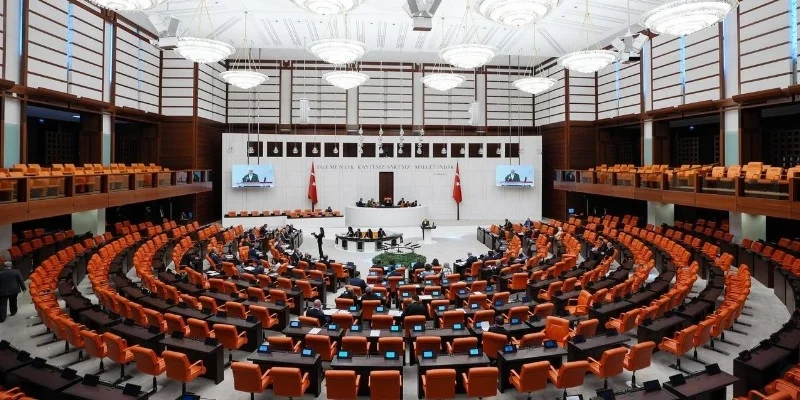
Turkish Parliament Ratifies Mecca Defence Pact with Pakistan and Saudi Arabia
Türkiye’s parliament has ratified the Mecca Joint Defence Agreement with Pakistan and Saudi Arabia by 279 votes to 119, formalising a trilateral pact under which an armed attack against one member would be treated as an attack against all three. The agreement provides for military coordination, intelligence sharing and mutual defence assistance, while any deployment of Turkish troops to Saudi Arabia would require separate parliamentary approval.
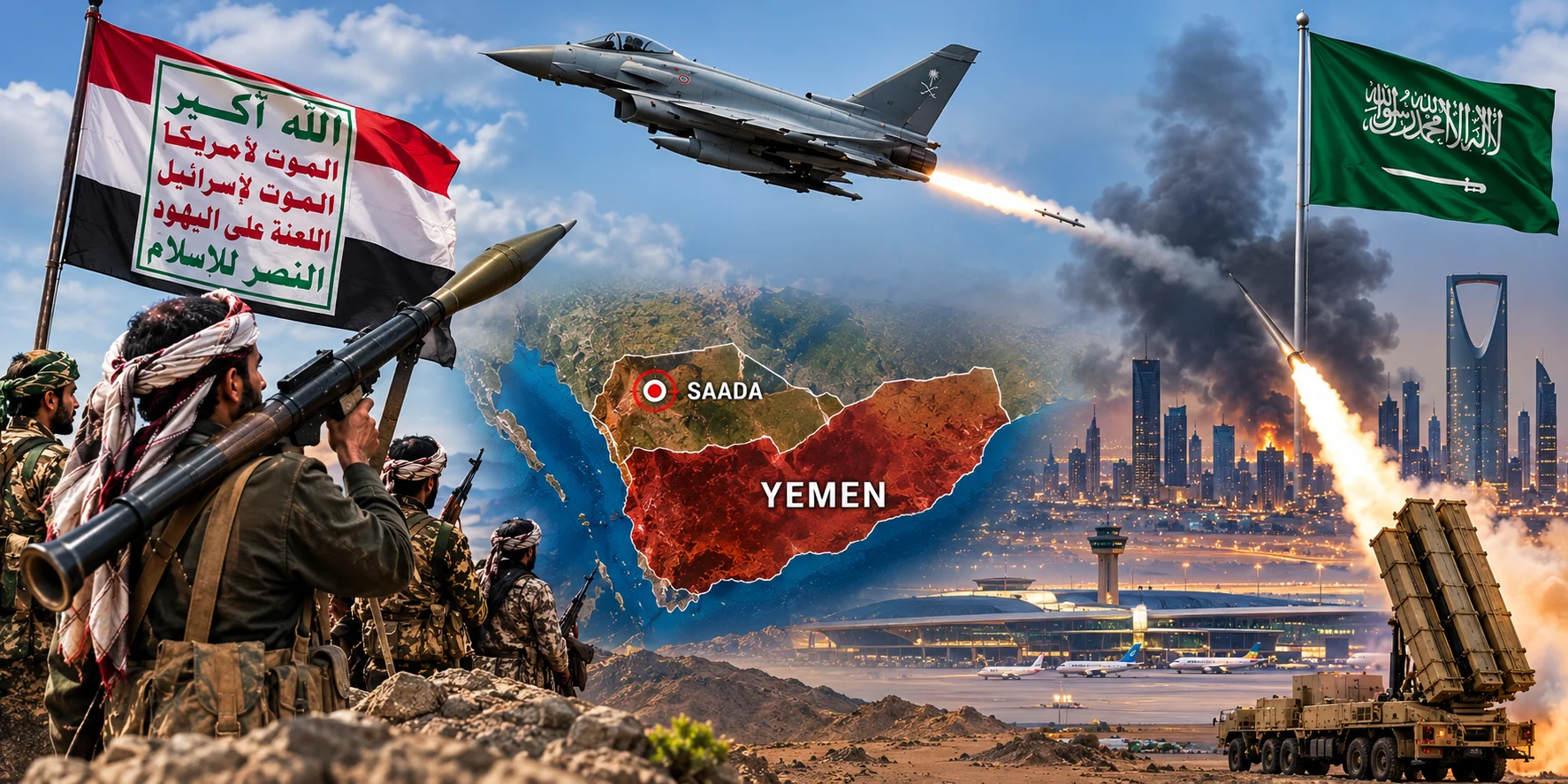
Houthis Claim Saudi Airstrikes Kill 30 at Busy Market in Yemen's Taiz Province
Iran-backed Houthi rebels claim Saudi-led coalition airstrikes killed at least 30 people and wounded eight others at a crowded market in Yemen's Taiz province. Yemeni government-aligned authorities have disputed the Houthis' account, while the Associated Press says it could not independently verify responsibility for the attack.
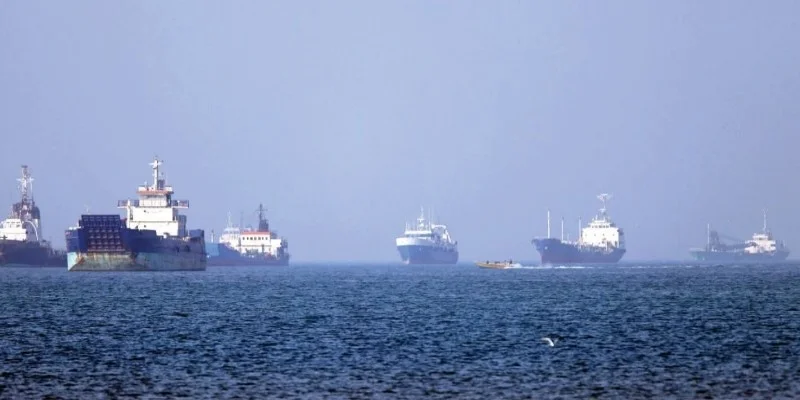
US Sanctions Indian Couple and Companies Over Alleged Support for Iran’s Shadow Tanker Fleet
The US has sanctioned an Indian couple and several companies for allegedly operating fraudulent maritime registries and helping Iran’s shadow tanker fleet transport oil while evading international sanctions.
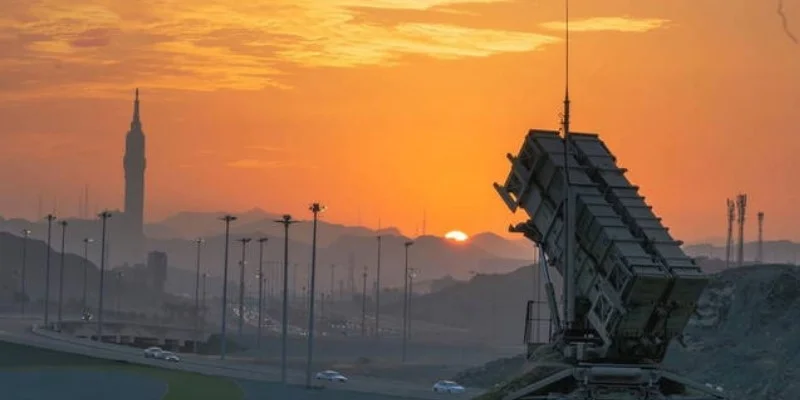
Saudi-Led Coalition Says It Intercepts Ballistic Missile Fired Toward Madinah
The Saudi-led coalition says it has intercepted and destroyed a ballistic missile allegedly launched by Yemen's Iran-backed Houthis towards the Madinah region, while the group has denied targeting the holy city, insisting its attacks are limited to Saudi oil facilities and military bases.