
Saudi Arabia Announces Discovery of 110 Million Tonnes of Uranium-Bearing Ore in Madinah
· 41 views
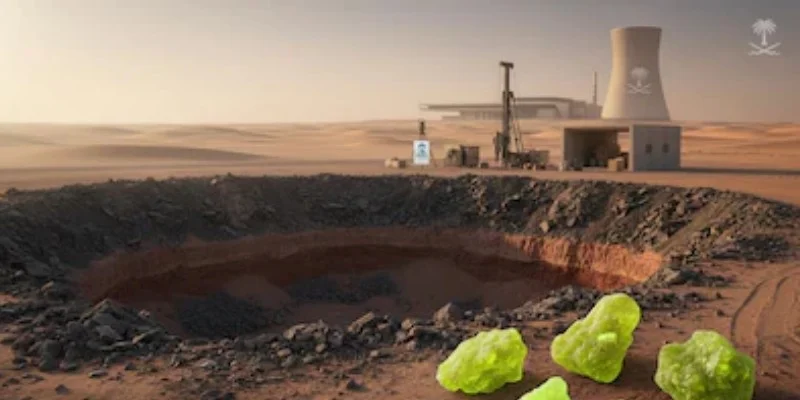
RIYADH (Terror Monitor) — Saudi Arabia has announced the discovery of an estimated 110 million tonnes of uranium-bearing ore in the Madinah region, in a development that could add to the kingdom’s efforts to expand its domestic mineral resources and advance its nuclear energy program.
Saudi Energy Minister Prince Abdulaziz bin Salman announced the discovery during the International Atomic Energy Agency (IAEA) General Conference in Vienna on Monday, according to Saudi state television and a report by Reuters.
The discovery was made through drilling and geological exploration at the Jabal Sayid project in the Madinah region. Saudi authorities said the estimated resources contain uranium as well as rare-earth minerals.
The 110 million-tonne figure refers to the total quantity of uranium-bearing ore, rather than 110 million tonnes of uranium itself. The announcement did not specify the precise quantity of uranium contained in the ore or how much of it could ultimately be recovered commercially.
Prince Abdulaziz said geological exploration at Jabal Sayid had identified substantial mineral resources, including rare-earth elements and uranium.
Uranium and rare-earth resources
The discovery is significant for Saudi Arabia’s broader strategy to develop its mining sector and identify minerals considered important for future energy and industrial applications.
Rare-earth elements are used in a range of advanced technologies, including electronics, renewable-energy equipment and other industrial applications. Uranium, meanwhile, can serve as a source of nuclear fuel when extracted, processed and converted according to the requirements of a nuclear fuel cycle.
Saudi Arabia has been seeking to develop greater domestic control over its mineral resources as part of its economic diversification strategy.
The kingdom has also explored uranium resources associated with phosphate production and has discussed developing domestic capabilities for uranium extraction.
Nuclear energy plans
The announcement comes as Saudi Arabia continues to develop its civilian nuclear energy program.
Riyadh has been working with the IAEA as it advances plans for nuclear power generation and other elements of a national nuclear program. The kingdom has said its nuclear activities are intended for peaceful purposes and has emphasized cooperation with international nuclear authorities.
Saudi officials have previously expressed interest in developing the full nuclear fuel cycle, including the potential use of domestically sourced uranium.
The discovery at Jabal Sayid could therefore provide an additional resource base for Saudi Arabia as it assesses the feasibility of developing its uranium resources.
However, the announcement of uranium-bearing ore does not by itself establish the quantity of recoverable uranium available for nuclear fuel production. Further exploration, resource assessment, processing studies and economic evaluation would be required to determine the commercial significance of the deposit.
Part of wider mining expansion
The discovery also fits into Saudi Arabia’s broader effort to expand mining and mineral exploration beyond its traditional dependence on oil.
Under its economic diversification plans, the kingdom has sought to attract investment into mining and develop domestic resources of strategic minerals.
The identification of uranium and rare-earth elements at Jabal Sayid could increase the project’s significance within that strategy, particularly as countries around the world seek secure supplies of critical minerals.
Saudi Arabia’s announcement at the IAEA conference also places the mineral discovery within the wider context of the kingdom’s plans for nuclear energy.
For now, the reported 110 million tonnes represent an estimated resource of uranium-bearing ore, while the amount of uranium that can ultimately be extracted and its economic or nuclear-fuel value remain subject to further assessment.
Related Articles
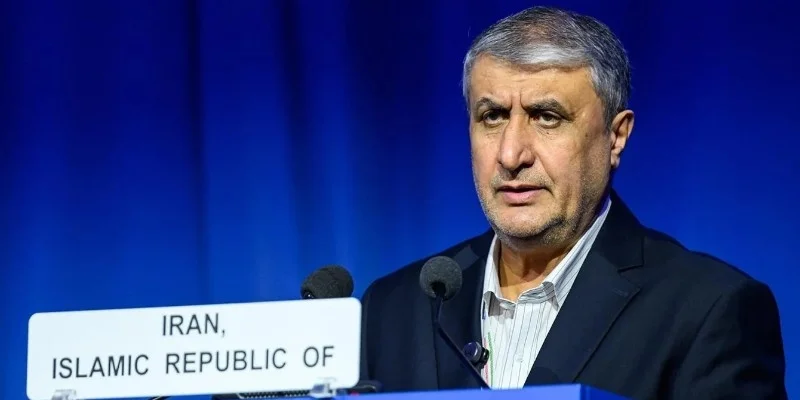
Iranian Nuclear Chief Barred From Attending IAEA Conference in Vienna
Iran’s nuclear chief Mohammad Eslami was barred from attending the IAEA’s annual conference in Vienna after the United States pressured Austria to deny him entry, citing UN travel restrictions and sanctions.
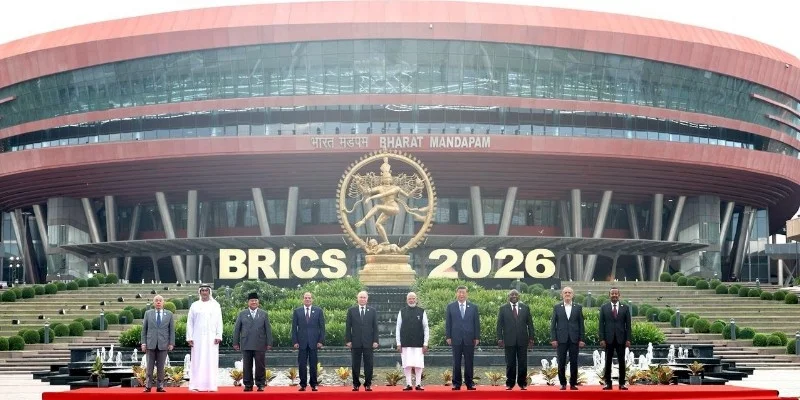
BRICS Leaders Call for Restraint, Gaza Ceasefire and Protection of Nuclear Facilities
BRICS leaders have called for maximum restraint amid escalating tensions in the Middle East, urging all parties to avoid actions that could worsen the conflict. The group also backed a Gaza ceasefire, full UN membership for Palestine, a two-state solution and protection of peaceful nuclear facilities.

London Police Arrest Two People Suspected of Links to Iranian Intelligence
London police have arrested a 60-year-old man and a 42-year-old woman suspected of assisting an Iranian intelligence service. The suspects were arrested under the National Security Act and later released on strict bail conditions pending further investigation.
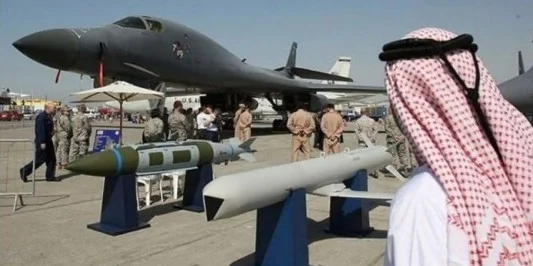
US Approves $5 Billion Arms Sale to Saudi Arabia
The U.S. State Department has approved a $5 billion military equipment sale to Saudi Arabia, including guidance systems for thousands of bombs and long-range missiles. Washington said the deal would strengthen Saudi Arabia’s air-defense capabilities and contribute to stability and economic development in the Gulf.