
Turkey, Saudi Arabia and Pakistan to Hold First Meeting Under New Joint Defense Pact
· 57 views
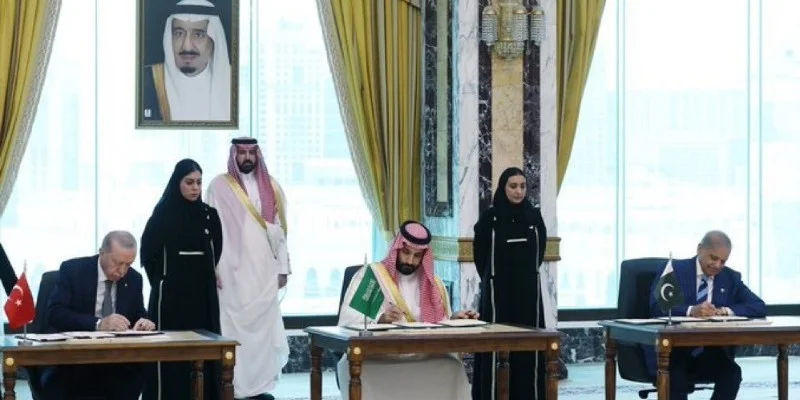
Istanbul (Terror Monitor) — Senior officials from Turkey, Saudi Arabia and Pakistan will hold their first committee meeting in Istanbul on Monday under their new joint defense agreement. The “Makkah Joint Defense Agreement,” signed on August 7, aims to strengthen collective defense and military cooperation among the three countries.
Under the agreement’s key provision, an armed attack against any one of the three countries will be considered an attack against all three. The principle broadly resembles NATO’s concept of collective defense under Article 5.
According to a Turkish Foreign Ministry source, the Istanbul meeting will be attended by the foreign and defense ministers of the three countries, along with the chiefs of their armed forces. Discussions will focus on the international security situation, strengthening joint defense capabilities and improving operational cooperation among the three militaries.
Defense industry cooperation will also be a major item on the agenda. The three countries are expected to explore opportunities for the joint development, production and manufacturing of weapons and defense technologies.
According to the Turkish Foreign Ministry, the meeting will be attended by Turkish Foreign Minister Hakan Fidan, National Defense Minister Yaşar Güler and Chief of the Turkish General Staff General Selçuk Bayraktaroğlu, along with officials from Pakistan and Saudi Arabia.
Pakistan’s Chief of Army Staff, Field Marshal Asim Munir, and Foreign Minister Ishaq Dar have already arrived in Turkey.
The agreement comes amid heightened regional tensions following the Iran war and the broader security crisis in the Middle East. Missile attacks by Iran on Gulf states that export oil have increased concerns among regional countries over their defense capabilities and collective security.
Turkey, Saudi Arabia and Pakistan are all longstanding partners of the United States and face different security concerns related to the military policies of Iran and Israel. Meanwhile, the energy crisis triggered by the Iran war has placed additional pressure on regional and global economies.
Six months have passed since the United States and Israel began their war against Iran, but negotiations remain deadlocked. The administration of U.S. President Donald Trump has also intensified its campaign to increase financial pressure on Iran, which Washington has dubbed “Economic D-Day.”
Turkey has NATO’s second-largest military, while Pakistan is a nuclear-armed state and Saudi Arabia is one of the world’s major oil exporters. As a result, the new defense framework among the three countries could carry significant strategic importance at the regional level.
Turkey has said the agreement is not intended to replace existing defense alliances, particularly NATO. Ankara has also made clear that the door remains open for other countries to join the agreement in the future, with Egypt being viewed as a potential candidate.
Related Articles
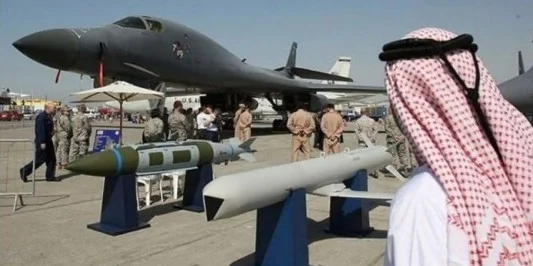
US Approves $5 Billion Arms Sale to Saudi Arabia
The U.S. State Department has approved a $5 billion military equipment sale to Saudi Arabia, including guidance systems for thousands of bombs and long-range missiles. Washington said the deal would strengthen Saudi Arabia’s air-defense capabilities and contribute to stability and economic development in the Gulf.

Pakistan Appoints Major General Faisal Naseer as NACTA National Coordinator
Pakistan’s federal government has appointed Major General Faisal Naseer as National Coordinator of the National Counter Terrorism Authority (NACTA) for a three-year term. Naseer, a former head of the ISI’s Internal Wing, takes charge as Pakistan faces rising militant violence, particularly in Khyber Pakhtunkhwa and Balochistan.
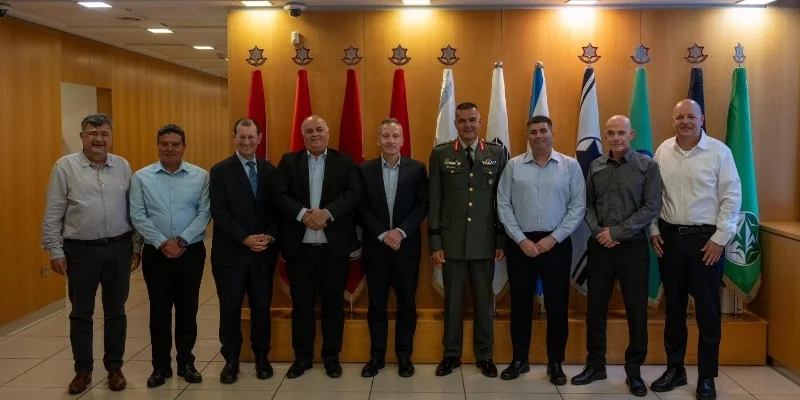
Israel and Greece Sign $3.5 Billion Defense Deal for Multilayered Air Defense System
Israel and Greece have signed a $3.5 billion defense agreement, their largest arms deal to date, under which Athens will acquire a multilayered Israeli air defense system designed to counter ballistic missiles, drones and other aerial threats.
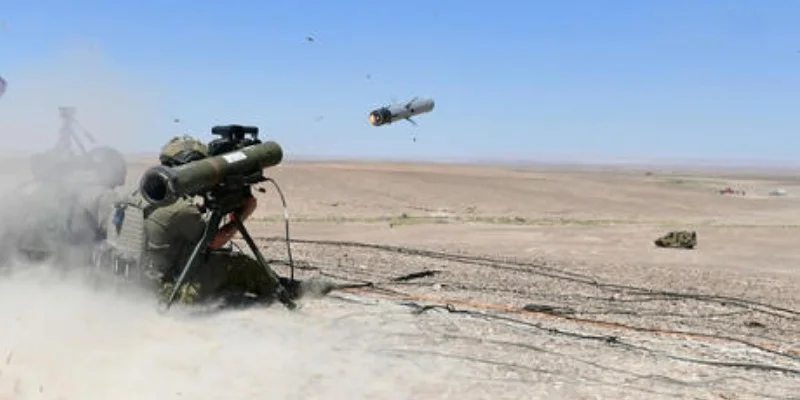
India Signs Deal With US to Acquire Javelin Anti-Tank Missile Systems
India has signed a deal with the United States to acquire Javelin anti-tank missile systems, strengthening defense cooperation between the two countries amid recent diplomatic and trade tensions.