
U.S. Report Reveals Heavy Military Losses, 18 U.S. Troops Killed and 417 Wounded in Iran War
· 46 views

Washington, D.C.(Terror Monitor) — A report prepared for the U.S. Congress by the Department of Defense’s Lead Inspector General has detailed the casualties, infrastructure damage, aircraft losses and depletion of U.S. munitions stocks during the war against Iran, acknowledging that the intensive use of weapons during Operation Epic Fury reduced American military stockpiles and exposed significant obstacles to replenishing them.
The report, prepared under the leadership of the Department of Defense Inspector General, covers developments through June 30, 2026. The Lead Inspector General was designated to oversee reporting on the operation on May 12, 2026.
According to the report, the U.S. military’s extensive use of munitions during Operation Epic Fury resulted in a decline in available stocks. It also identified significant constraints affecting the U.S. defense industrial base and its ability to rapidly restore depleted inventories.
The report said the United States continues to face several long-standing challenges in expanding weapons production, including limited capacity for manufacturing solid rocket motors, shortages and production constraints involving advanced explosives and propellants, and a shortage of skilled workers.
The office responsible for overseeing weapons acquisition and sustainment within the Department of Defense reportedly assessed that expanding production capacity would require considerable time.
U.S. military casualties
The Lead Inspector General’s report to Congress said that between February 28 and June 30, 2026, a total of 11 U.S. service members were killed in combat operations, while another seven died in non-combat incidents.
During the same period, 417 U.S. service members were wounded.
The report also cited U.S. Central Command (CENTCOM) as saying that Iranian attacks caused damage to or destroyed hundreds of buildings and facilities at U.S. military bases and installations across Kuwait, Bahrain, Qatar, the United Arab Emirates, Saudi Arabia, Iraq, Oman and Jordan.
The damage was spread across multiple locations used by U.S. forces in the region, highlighting the scale of Iranian attacks against American military infrastructure during the operation.
Fighter aircraft losses
The report said that dozens of U.S. aircraft were either destroyed or damaged during the operation.
Among the most significant losses were four F-15E fighter aircraft. Three of the aircraft were destroyed as a result of friendly fire, while another was lost after being hit by enemy fire, according to the document.
An F-35A fighter aircraft was damaged by enemy fire while operating over Iran.
An A-10 aircraft was also lost after sustaining damage while returning from a combat search-and-rescue mission. The aircraft was subsequently destroyed by U.S. forces, according to the report.
KC-135 tanker losses
The report also documented significant losses involving U.S. aerial refueling aircraft.
A total of seven KC-135 tanker aircraft were destroyed or damaged during the period covered by the report.
One KC-135 was destroyed in a collision while operating in Iraqi airspace, while another sustained damage.
The remaining five KC-135 aircraft were hit during Iranian attacks in Saudi Arabia, according to the report.
The losses affected an aircraft fleet that plays a critical role in supporting U.S. combat and aerial operations over long distances.
Other aircraft and helicopter losses
The report said an E-3 airborne early-warning and control aircraft was damaged during Iranian attacks in Saudi Arabia.
An HH-60W helicopter was also affected during combat search-and-rescue operations.
In addition, an MQ-4C unmanned aircraft crashed, while four AH-6 helicopters sustained damage severe enough that U.S. forces subsequently destroyed the aircraft themselves.
The document further stated that an AH-64 Apache helicopter was shot down over the Strait of Hormuz.
An MH-60 helicopter also crashed in the Arabian Sea, according to the report.
MQ-9 drone losses
The report also recorded the destruction of 30 MQ-9-type surveillance and strike drones during the operation.
The losses represent a substantial reduction in U.S. unmanned aerial capabilities and add to the broader depletion of American military equipment documented during the conflict.
Production constraints raise replenishment concerns
Beyond documenting battlefield losses, the report highlighted concerns over the ability of the U.S. defense industry to rapidly replace weapons and equipment consumed or destroyed during the war.
The Lead Inspector General’s assessment indicates that replenishing depleted munitions inventories will not be immediate because several critical components of the U.S. defense industrial base remain subject to production bottlenecks.
Among the most significant constraints are the production of solid rocket motors, access to advanced explosives and propellants, and the availability of skilled workers.
The Department of Defense office responsible for weapons acquisition and sustainment has warned that increasing production capacity will take substantial time, potentially complicating efforts to rebuild stocks after a high-intensity conflict.
The report therefore provides Congress with a detailed assessment not only of U.S. military casualties and equipment losses during Operation Epic Fury, but also of the longer-term challenges facing Washington as it seeks to replenish weapons inventories and strengthen the defense industrial base.
Related Articles
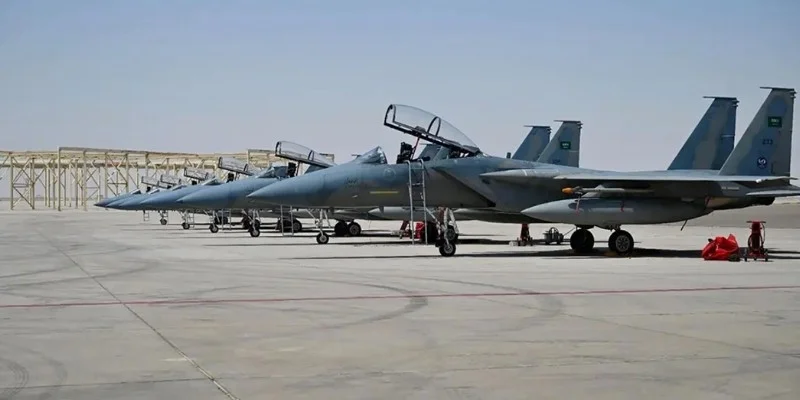
Saudi Arabia Vows ‘Decisive’ Response to Houthi Attacks as Makkah Security Alert Issued
Saudi Arabia has vowed a “decisive” response to Houthi attacks that wounded 13 people, as authorities issued new safety warnings in Makkah. The Saudi Cabinet condemned attacks on civilians and critical infrastructure, while an emergency UN Security Council meeting was requested to address the escalating situation around the Bab el-Mandeb Strait.
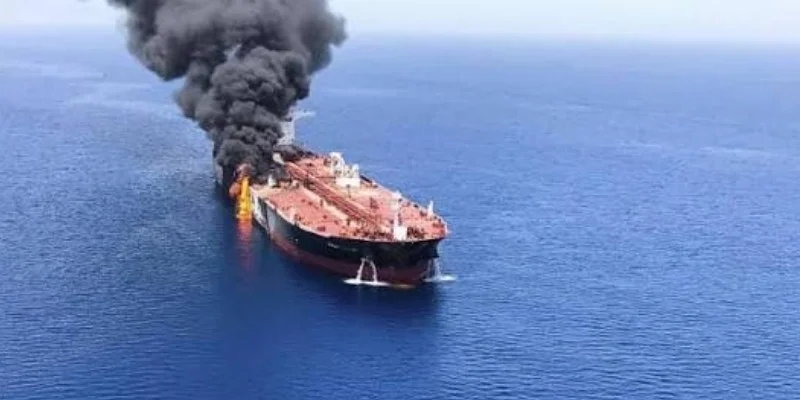
Oman: Two Sailors Missing After Oil Tanker Attacked in Strait of Hormuz, 23 Rescued
Two sailors are missing and 23 others were rescued after the Panama-flagged oil tanker Al Gaya was attacked in the Strait of Hormuz, according to Oman’s Maritime Security Centre. Iran blamed naval mines, while the U.S. military said the tanker had been struck by an Iranian missile and later by a drone.
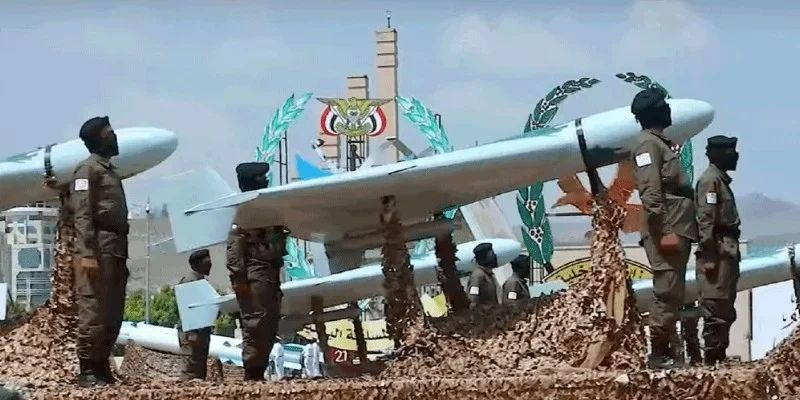
Houthis Launch New Missile and Drone Attacks on Saudi Arabia
Houthis Launch New Missile and Drone Attacks on Saudi Arabia RIYADH (Terror Monitor) — Iran-backed Houthi forces in Yemen launched new missile and drone attacks against military targets in Saudi Arabia on Monday, while Iran rejected accusations that it was directly intervening in Yemen’s renewed civil war. The Houthis said they launched dozens of missiles and drones toward Saudi Arabia. Following the attacks, Saudi Civil Defense issued brief security alerts in the southern cities of Khamis Mus
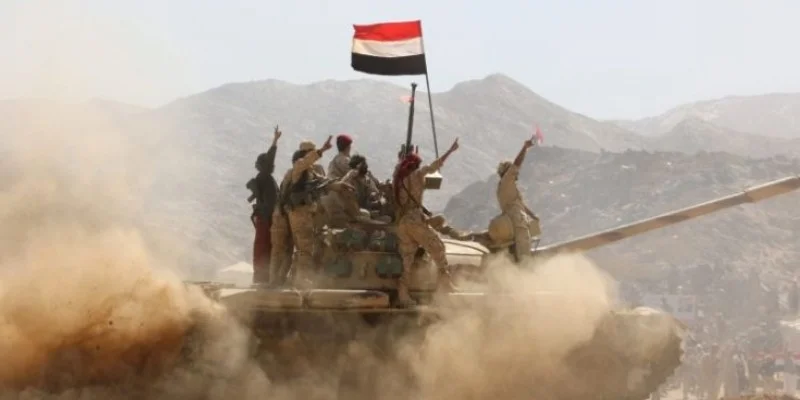
Yemeni Forces Recapture Positions West of Taiz Amid Escalating Houthi Clashes
Yemen’s internationally recognized government forces have recaptured positions west of Taiz after clashes with Houthi forces, while fighting has intensified along the Red Sea coast and Saudi Arabia’s southern border.