At least 11 people, including two children and two medical workers, were killed in Israeli strikes on southern Lebanon, as Israel intensified its air campaign despite a June ceasefire with Hezbollah. The latest attacks have raised renewed concerns over the future of the ceasefire and stability along the Lebanese-Israeli border.
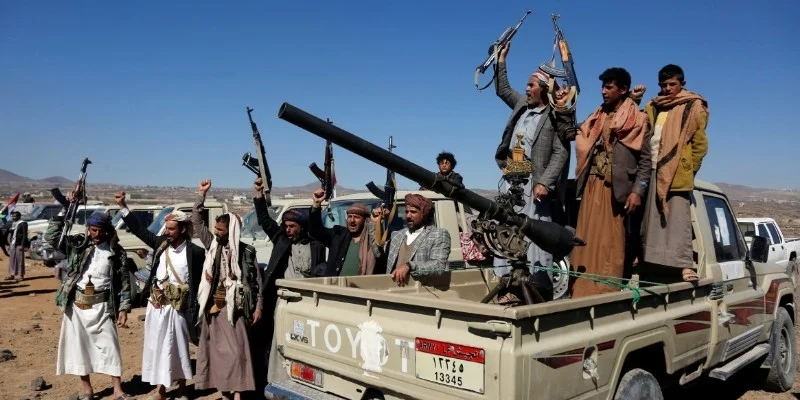
More than 140 fighters have been killed in recent clashes between Yemen’s government forces and Iran-aligned Houthi fighters in southwestern Yemen. The fighting over the strategic Bab al-Mandab Strait has become the deadliest in the area in two months, with more than 300 fighters and some civilians reportedly killed since Thursday.
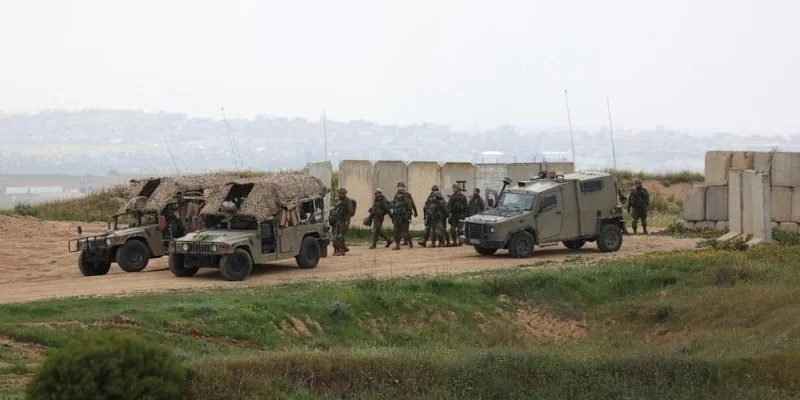
Israel says it struck multiple sites in southern Lebanon in response to two Hezbollah drone attacks targeting Israeli soldiers. The Israeli military also warned residents near a building in Arab Salim to evacuate, saying Hezbollah was using the site. Hezbollah has not commented.
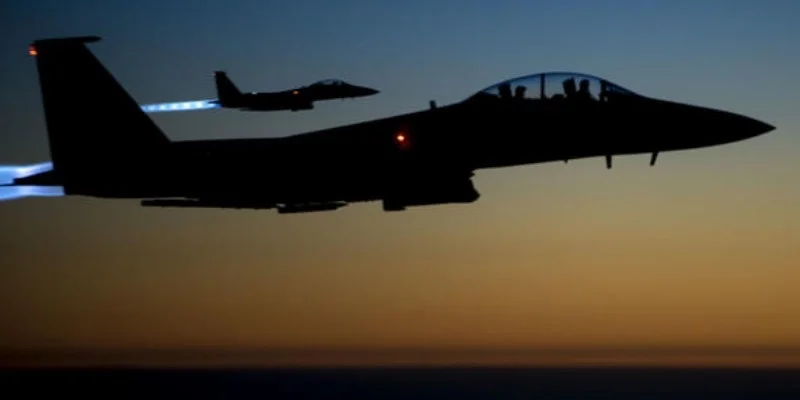
The U.S. military says it has struck three Iranian oil tankers after Iranian forces targeted U.S. warships with missiles, with two vessels disabled and a third destroyed. U.S. Central Command chief Admiral Brad Cooper warned that Washington would destroy Iran’s “limited and vulnerable” tanker fleet if necessary.
Five people have been killed and 24 others injured in Israeli attacks on southern and eastern Lebanon amid continued ceasefire violations, according to Arab media reports. The Israeli military said the strikes were carried out in response to a Hezbollah drone attack targeting Israeli soldiers.
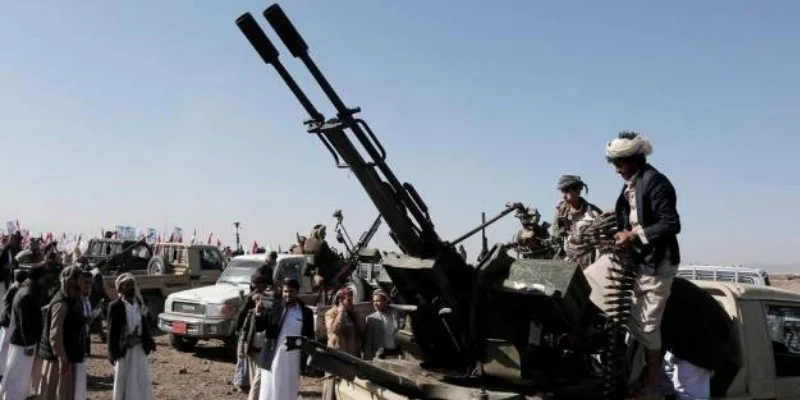
At least 129 people have been killed in intense clashes between Iran-backed Houthi forces and Yemen’s internationally recognized government forces along the Red Sea coast and near Taiz, according to figures cited by AFP. Government sources reported 81 deaths among their forces, while medical sources in Houthi-controlled areas said at least 62 Houthi fighters were killed, though the figures have not been independently verified.
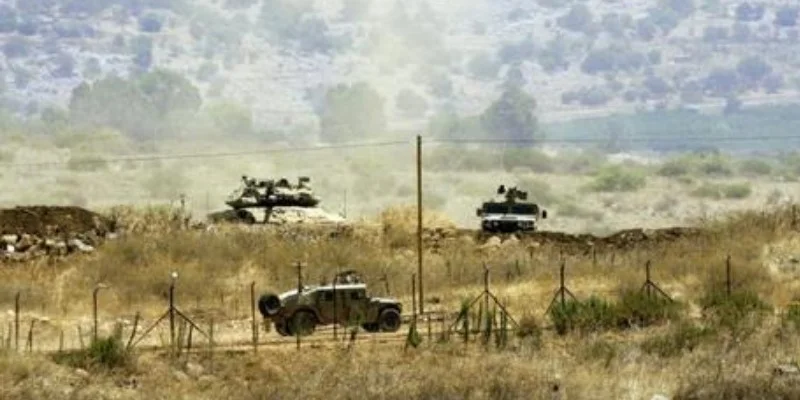
Two people were killed in an Israeli strike in southern Lebanon on Friday despite a ceasefire between Israel and Hezbollah, Lebanese state media reported. The strike targeted two young men riding a motorcycle near the strategically important Ali al-Taher hill, which Israel says it has taken control of.
Iran has launched missile and drone attacks against U.S. military bases in Kuwait and other locations across the Middle East, including Jordan, the UAE, Bahrain and Iraq’s Kurdistan region, marking a renewed escalation six months into the Iran war.
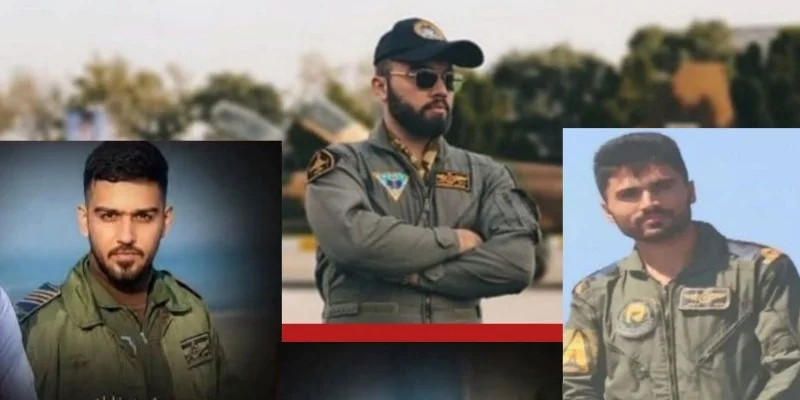
Iran’s semi-official Tasnim News Agency says three Iranian military pilots were killed in recent US strikes, along with several other members of Iran’s armed and security forces.
Israeli Defense Minister Israel Katz has warned that any new Iranian attack on Israel would trigger a massive Israeli response targeting Iran’s military, civilian infrastructure and energy systems. Katz also said Israel is monitoring signs that economic pressure and internal instability could push Tehran toward an unusual military move.
At least 13 Yemeni government soldiers, including two officers, have been killed in heavy clashes with Iran-backed Houthi fighters along the Red Sea coast. The Houthis are reportedly attempting to advance toward government-held areas near the strategic Bab al-Mandab Strait and cut the key Taiz-Mokha road.