
Iran Warns Israeli Attack Could Devastate Global Markets as Tehran Pursues 7 Day Peace Plan
· 805 views
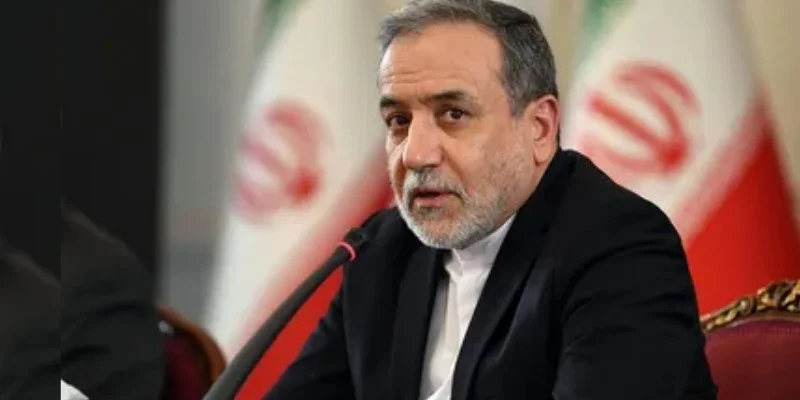
TEHRAN (Terror Monitor) — Iranian Foreign Minister Abbas Araghchi has warned that any Israeli-instigated military action in the Persian Gulf could have a “devastating impact” on international markets, as Tehran continues diplomatic contacts aimed at ending the war with the United States and Israel.
In a statement posted on X on Wednesday, October 28, Araghchi said the potential consequences of military escalation in the Gulf remained a major concern for both gas-producing countries and gas-consuming nations.
“Devastating impact on international markets of any Israel-instigated military misadventure in the Persian Gulf region remains a major concern for both gas suppliers and consumers,” Araghchi wrote.
His remarks came amid renewed warnings from Israeli Prime Minister Benjamin Netanyahu about Iran and growing concerns that the military confrontation, which began with US and Israeli strikes on Iran in February, could resume on a larger scale.
The warning also comes as diplomatic efforts involving Qatar and Pakistan continue, with the Strait of Hormuz, sanctions, Iran’s nuclear programme and the future of the US naval blockade among the central issues in negotiations.
Netanyahu signals possible renewed confrontation with Iran
Netanyahu said on Wednesday that Israel had a unique opportunity to work with US President Donald Trump to eliminate what he described as the existential threat posed by Iran.
The Israeli prime minister made the remarks while seeking to form a new government following Israel’s closely contested parliamentary election.
Netanyahu has repeatedly argued that military pressure is necessary to address Iran’s nuclear programme and regional activities. His latest comments have raised concerns in Tehran that Israel could seek to resume military operations with US support.
Reuters reported earlier this week that Netanyahu had suggested that renewed military action against Iran could be possible if he remained in power. Trump has also spoken about completing the military campaign against Iran, although the timing and scope of any potential renewed strikes remain uncertain.
The prospect of further attacks has added urgency to diplomatic efforts aimed at preventing another escalation.
Iran says seven-day plan could facilitate rapid agreement
Araghchi said Tehran remained in close and continuous contact with mediators to examine ways to implement Iran’s proposed seven-day plan.
In a post on X, the foreign minister said Iran was continuing to give diplomacy an opportunity to succeed while its armed forces remained prepared to defend the country.
He indicated that, if the necessary arrangements were agreed upon, the objectives of the proposed plan could be achieved in less than a week.
Iran introduced the initiative in September as a framework for confidence-building measures and a possible pathway toward ending the conflict.
Under the proposal described by Iranian officials, Washington would first take steps addressing Tehran’s principal demands, including an end to hostilities, the lifting of its naval blockade on Iranian ports, relief from restrictions on Iranian oil exports and the release of frozen Iranian assets.
Iran would subsequently reopen the Strait of Hormuz to normal commercial shipping, with negotiations toward a broader agreement resuming during the seven-day process.
The proposed arrangement also envisages discussions on Iran’s nuclear programme, although Washington and Tehran remain divided over when that issue should be addressed and what concessions would be required.
The plan has not been formally agreed upon by both sides, and its implementation remains conditional on further negotiations.
Qatar and Pakistan intensify mediation efforts
Qatar and Pakistan have played important roles in efforts to end the conflict and restore maritime traffic through the Strait of Hormuz.
According to Reuters, Qatari mediators presented Iran with a new draft agreement on Sunday, October 25, aimed at ending the war with the United States and Israel.
An official familiar with the negotiations said the draft outlined a seven-day timetable under which both sides would take daily confidence-building measures. Several countries could act as guarantors of an eventual agreement, the official added.
Iran was expected to respond to the draft by the end of the week.
However, the diplomatic picture remained uncertain on Wednesday. A senior Iranian official involved in the negotiations told Reuters that Qatar had presented ideas Tehran considered unacceptable rather than a formal proposal. The official also said Iran would not show flexibility on its nuclear position.
The differing accounts indicate that discussions are continuing, but there is no confirmed agreement on the terms of a ceasefire or a comprehensive settlement.
Qatar has continued communicating between Washington and Tehran, while Pakistan has also sought to facilitate negotiations and prevent a return to large-scale fighting.
The principal challenge remains the sequence of concessions. Washington wants Iran’s nuclear programme addressed from the outset, whereas Tehran insists that several of its demands—including relief from the naval blockade and sanctions on oil exports—must be met first.
Strait of Hormuz remains central to negotiations
The Strait of Hormuz is one of the world’s most important energy shipping routes, connecting the Persian Gulf with the Gulf of Oman and the Arabian Sea.
A prolonged disruption to commercial traffic through the waterway could affect oil and liquefied natural gas shipments, raise transportation and insurance costs, and place additional pressure on energy-importing economies.
Iran has said it could restore normal maritime passage under its seven-day proposal if Washington meets the conditions set by Tehran.
The United States, however, has maintained pressure on Iran through its naval restrictions and has sought broader commitments concerning Tehran’s nuclear programme.
The disagreement over the strait is therefore closely linked to the wider negotiations over sanctions, maritime security and the future of the conflict.
Any new military action involving the Gulf could further complicate efforts to restore shipping and stabilise international energy markets.
Energy markets face renewed uncertainty
Araghchi’s warning reflects Iranian concerns that a renewed military confrontation could have consequences well beyond the immediate battlefield.
The Gulf region is central to global oil and gas production, while the Strait of Hormuz is a critical route for international energy supplies. Attacks on shipping, export terminals or other energy infrastructure could disrupt deliveries and increase volatility in global commodity markets.
The impact would depend on the scale and duration of any disruption, the facilities affected and the availability of alternative export routes.
Araghchi’s statement was a warning about the possible consequences of further military escalation, rather than confirmation that a new attack had been launched or that energy supplies had already suffered additional losses.
Nevertheless, the combination of renewed military rhetoric, uncertainty surrounding the negotiations and the unresolved status of the Strait of Hormuz has kept energy security at the centre of international concerns.
Diplomatic opening remains fragile
Iran’s latest statements suggest that Tehran is still seeking a negotiated arrangement while warning that it is prepared to respond to renewed attacks.
For Washington, the central issues include Iran’s nuclear programme and the security of maritime routes. Tehran, meanwhile, is demanding an end to hostilities, relief from sanctions and the lifting of restrictions on its ports before making key concessions.
Netanyahu’s calls for action against Iran have added another complication, particularly as Israel works to form a new government following the election.
Although Qatar and Pakistan continue to pursue diplomatic contacts, the competing accounts of the latest draft agreement underline the distance that remains between the parties.
For now, no comprehensive peace agreement has been confirmed. The immediate outlook will depend on whether mediators can reconcile the opposing positions on the nuclear issue, sanctions, maritime restrictions and the sequence of steps required to end the war.
Sources: Terror Monitor, Reuters, Associated Press, Agence France-Presse (AFP) and Anadolu Agency.
Related Articles
Turkish Parliament Ratifies Mecca Defence Pact with Pakistan and Saudi Arabia
Türkiye’s parliament has ratified the Mecca Joint Defence Agreement with Pakistan and Saudi Arabia by 279 votes to 119, formalising a trilateral pact under which an armed attack against one member would be treated as an attack against all three. The agreement provides for military coordination, intelligence sharing and mutual defence assistance, while any deployment of Turkish troops to Saudi Arabia would require separate parliamentary approval.
Houthis Claim Saudi Airstrikes Kill 30 at Busy Market in Yemen's Taiz Province
Iran-backed Houthi rebels claim Saudi-led coalition airstrikes killed at least 30 people and wounded eight others at a crowded market in Yemen's Taiz province. Yemeni government-aligned authorities have disputed the Houthis' account, while the Associated Press says it could not independently verify responsibility for the attack.
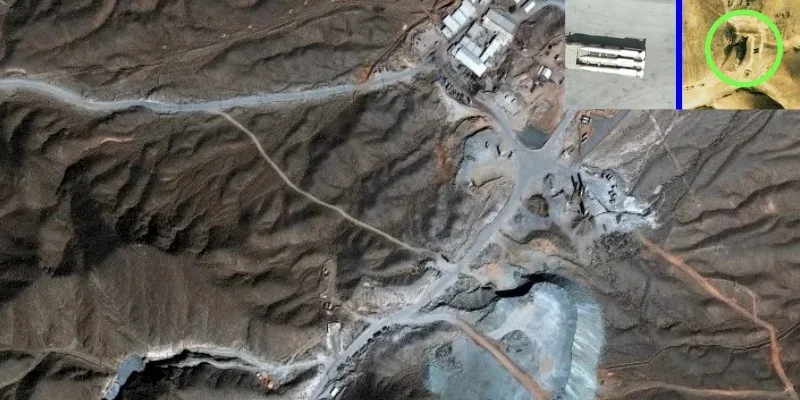
Iran Rebuilds Missile Bases and Moves Military Infrastructure Underground Amid Fears of Renewed US-Israeli Strikes
Satellite imagery shows Iran rebuilding damaged missile bases and expanding underground military facilities as Tehran prepares for possible renewed US-Israeli airstrikes. The reconstruction comes amid growing speculation about further American military action and political divisions in Washington over the war's consequences.
US Sanctions Indian Couple and Companies Over Alleged Support for Iran’s Shadow Tanker Fleet
The US has sanctioned an Indian couple and several companies for allegedly operating fraudulent maritime registries and helping Iran’s shadow tanker fleet transport oil while evading international sanctions.