
Iranian Attacks Reported at Multiple Locations Across Middle East, Including Kuwait
· 94 views
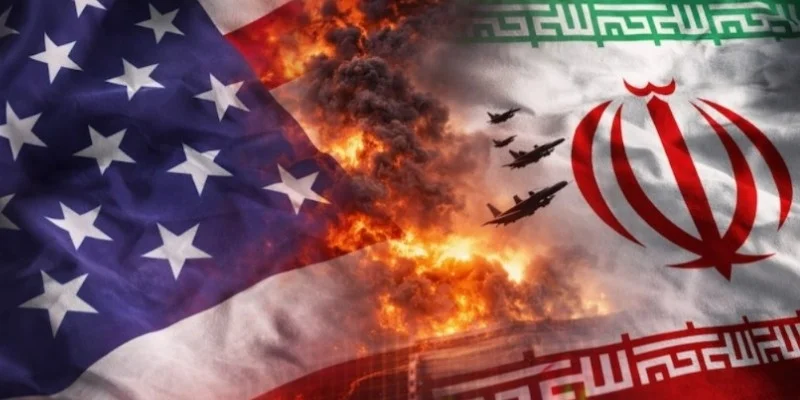
Kuwait City (Terror Monitor) — Iran targeted U.S. military bases in Kuwait with missiles and drones on Thursday, in the latest escalation of tensions six months after the start of the Iran war. U.S. President Donald Trump warned that the American military was ready to strike Iran again “whenever we want.”
The latest escalation began on Sunday, when the United States resumed strikes on various targets in Iran after a pause of several weeks. Washington said the operations were aimed at preventing Iran from laying naval mines in the Strait of Hormuz. Iranian officials said at least 19 people were killed in the latest U.S. strikes.
In response, Tehran targeted U.S. military installations across the Middle East. Iranian attacks have reportedly extended to Kuwait, Jordan, the United Arab Emirates, Bahrain and Iraq’s autonomous Kurdistan region.
The Kuwaiti military confirmed that it had conducted interception operations against missiles and drones coming from Iran on Thursday. Meanwhile, Iranian state television said Tehran was targeting U.S. bases in Kuwait, describing the attacks as a response to U.S. military operations against Iran.
Iranian security official Mohsen Rezaei said Tehran had adopted a “new strategy” in the war. He warned the United States and claimed that the strategy would “shake its foundations.”
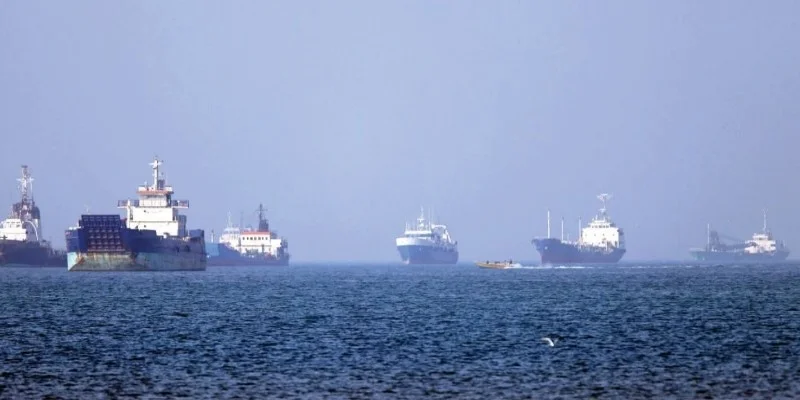
Alongside the latest military confrontation, key issues related to a ceasefire remain deadlocked. Iran has maintained effective control over and closure of the Strait of Hormuz, a crucial route for global oil trade, for the past six months, while the United States has continued its retaliatory blockade of Iranian ports.
Two oil tankers were also targeted in attacks during the latest escalation, although neither side has claimed responsibility. According to a Saudi shipping company, two Filipino sailors were killed in one of the attacks.
The United States is also increasing economic pressure on Iran alongside its military campaign. U.S. Energy Secretary Chris Wright said sanctions were being expanded to target Iran’s economic and commercial partners, with the aim of maintaining “maximum pressure” on Tehran.
On Wednesday, President Trump also suggested on social media that the Strait of Hormuz should be renamed the “Trump Strait,” although he later indicated that he was not serious about the proposal.
Related Articles
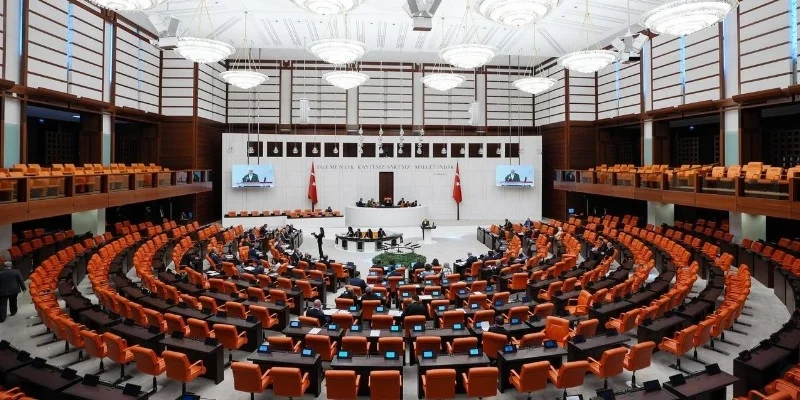
Turkish Parliament Ratifies Mecca Defence Pact with Pakistan and Saudi Arabia
Türkiye’s parliament has ratified the Mecca Joint Defence Agreement with Pakistan and Saudi Arabia by 279 votes to 119, formalising a trilateral pact under which an armed attack against one member would be treated as an attack against all three. The agreement provides for military coordination, intelligence sharing and mutual defence assistance, while any deployment of Turkish troops to Saudi Arabia would require separate parliamentary approval.
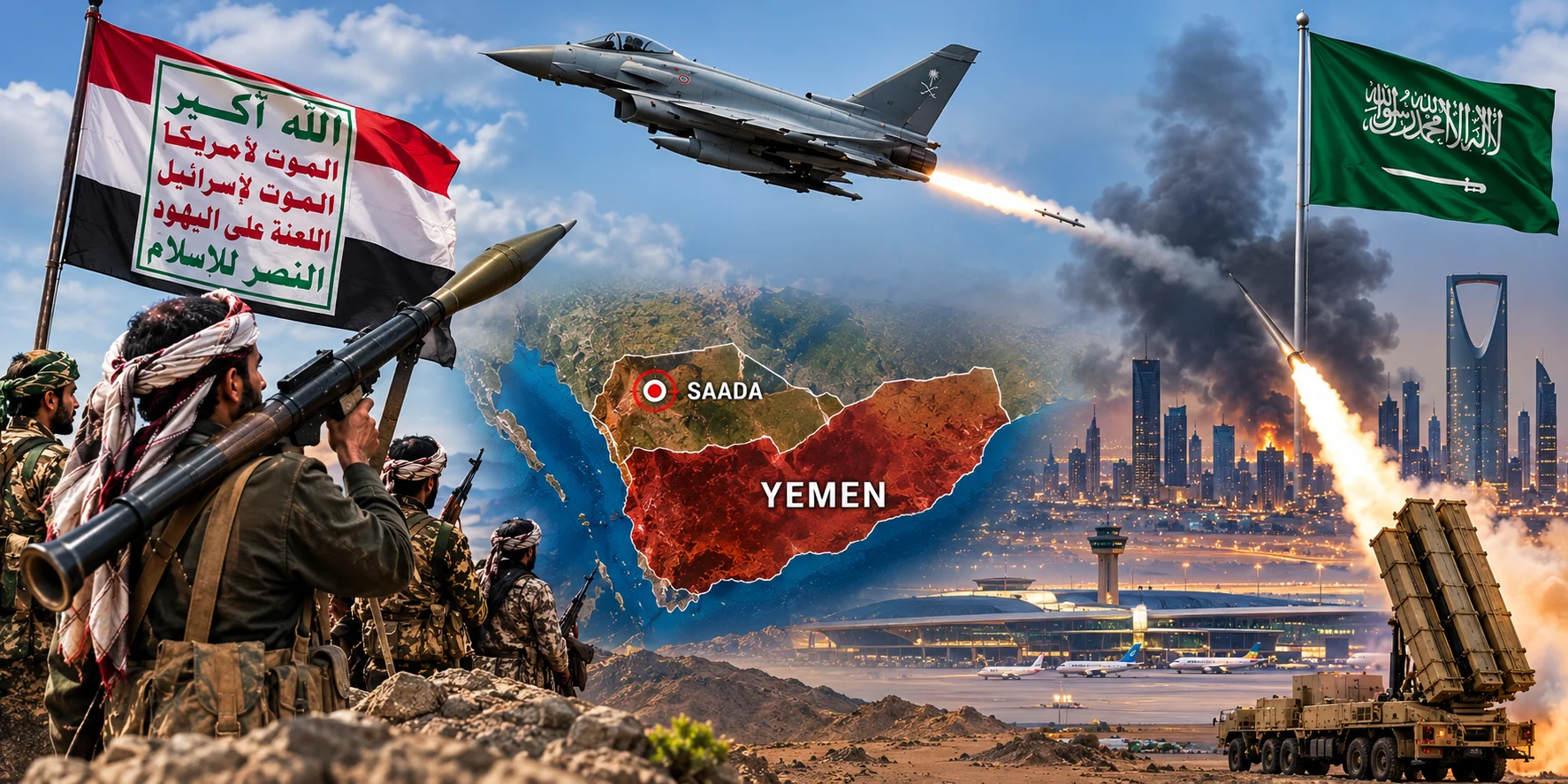
Houthis Claim Saudi Airstrikes Kill 30 at Busy Market in Yemen's Taiz Province
Iran-backed Houthi rebels claim Saudi-led coalition airstrikes killed at least 30 people and wounded eight others at a crowded market in Yemen's Taiz province. Yemeni government-aligned authorities have disputed the Houthis' account, while the Associated Press says it could not independently verify responsibility for the attack.
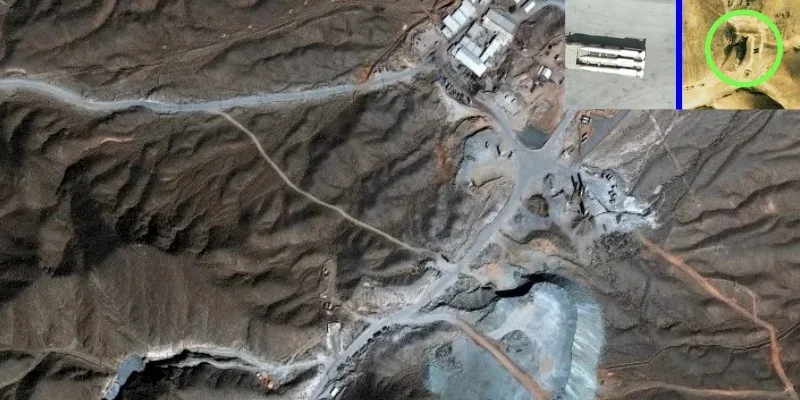
Iran Rebuilds Missile Bases and Moves Military Infrastructure Underground Amid Fears of Renewed US-Israeli Strikes
Satellite imagery shows Iran rebuilding damaged missile bases and expanding underground military facilities as Tehran prepares for possible renewed US-Israeli airstrikes. The reconstruction comes amid growing speculation about further American military action and political divisions in Washington over the war's consequences.
US Sanctions Indian Couple and Companies Over Alleged Support for Iran’s Shadow Tanker Fleet
The US has sanctioned an Indian couple and several companies for allegedly operating fraudulent maritime registries and helping Iran’s shadow tanker fleet transport oil while evading international sanctions.