
Iran’s Aviation Network Battered: 27 Airports Damaged During War
· 41 views
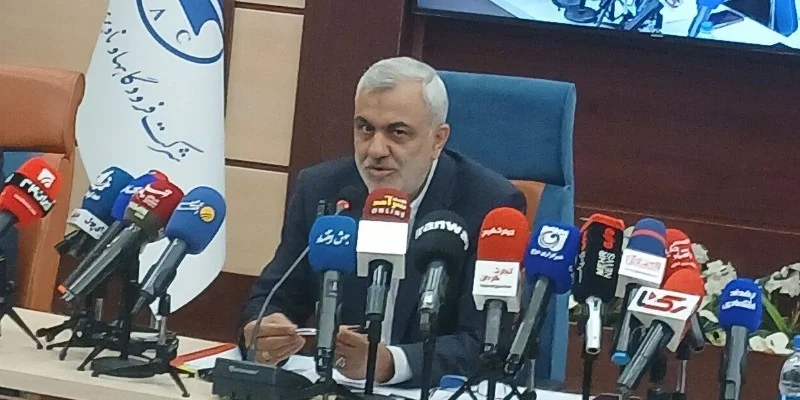
Washington, D.C. (Shabbir Turi) — Iran’s Airports and Air Navigation Company has said that 27 airports across the country, including airports in Tehran, sustained damage during the recent war, affecting runways, security buildings, air navigation systems, inspection facilities and passenger terminals.
Mortaza Dehghan, head of Iran’s Airports and Air Navigation Company, made the remarks during a press conference while providing details about the damage caused to the country’s airport infrastructure during the conflict.
Dehghan said various parts of the affected airports were damaged, including runways, taxiways, aircraft parking areas, security and firefighting facilities, air navigation equipment, inspection facilities and passenger terminals.
He said the reconstruction and repair of the damaged infrastructure had been a difficult task, but that the work had been successfully completed.
According to Iranian officials, efforts to restore airport operations began immediately after the fighting, with priority given to restoring runways and other aircraft operating surfaces, as well as navigation and air traffic control systems.
Dehghan said Iranian technical experts, local companies and technology-based firms were involved in repairing and restoring damaged systems and equipment.
Several Iranian airports affected
Iranian authorities have reported damage to several major airports during the conflict, including facilities in Mashhad, Isfahan, Bandar Abbas, Bandar Lengeh, Kish, Bushehr, Kermanshah and other parts of the country.
Airports in Fars province, including Shiraz, Lamerd, Lar and Jahrom, were also among the facilities reported to have been affected. In Kerman province, airports in Kerman and Jiroft sustained damage, while Iran’s Airports Company also reported damage to facilities in Iranshahr in Sistan and Baluchestan province.
Dehghan said some navigation systems and other facilities at Bushehr Airport were damaged during the conflict. Other reports have also indicated damage to radar, navigation and meteorological equipment at several airports.
Bushehr airport reported heavily damaged
About a month earlier, Iranian government spokesperson Fatemeh Mohajerani said that Bushehr Airport had been “completely destroyed” and would need to be rebuilt.
She said the airport’s infrastructure had sustained severe damage and that an aircraft had also been affected during the attacks.
The latest statement from Iran’s Airports and Air Navigation Company indicates that repair and reconstruction work has since been carried out to restore air transportation services.
US-Israeli strikes on Iran
The conflict began on February 28, 2026, when the United States and Israel launched a joint military campaign against Iran.
During the attacks, Iran’s Supreme Leader Ayatollah Ali Khamenei and several other senior Iranian officials were killed.
Iran subsequently launched missile and drone attacks against Israel, US military bases in the region and US-allied countries in the Gulf.
The conflict also severely disrupted commercial shipping through the Strait of Hormuz, with Iran restricting the movement of some vessels and targeting ships it said had attempted to pass through the strait without Iranian authorization.
The United States, meanwhile, imposed a naval blockade on Iranian ports as part of its campaign to pressure Tehran.
Failed diplomatic efforts
In June, the United States and Iran signed a memorandum of understanding aimed at stopping fighting on all fronts and reopening the Strait of Hormuz to commercial shipping.
The two countries were also given approximately two months to reach a comprehensive agreement covering Iran’s nuclear program, US sanctions and a permanent ceasefire.
However, the understanding collapsed within weeks, leading to renewed tensions and further military attacks.
Since then, both US and Iranian forces have been involved in incidents affecting commercial shipping in the region. Iran has targeted vessels that it says attempted to transit the Strait of Hormuz without permission, while the United States has maintained military pressure and a naval blockade against Iranian ports.
Last week, the United States indicated that it was pursuing an economic pressure strategy rather than immediate military action in an effort to secure concessions from Iran and persuade Tehran to reopen the Strait of Hormuz.
Iranian officials and state media have largely rejected the strategy, describing it as a continuation of previous US economic measures against the country.
Thousands killed in the conflict
The conflict that began on February 28 has resulted in thousands of deaths in Iran, according to Iranian health authorities and international reports.
Iranian Health Ministry figures have put the number of people killed at more than 3,000, while human rights organizations have issued higher estimates, with some placing the death toll at approximately 3,400 to 3,600.
A significant proportion of those killed were civilians, while the number of wounded has been several times higher than the death toll.
The attacks have also caused extensive damage to military and civilian infrastructure across Iran, including airports, energy facilities, transportation infrastructure and other strategic sites.
The announcement that 27 Iranian airports were damaged highlights the extent of the impact on the country’s aviation infrastructure during the conflict. Iranian authorities say most of the essential airport facilities have since been repaired or restored, although assessments of the full economic cost of the damage are continuing.
Related Articles
Houthis Claim Saudi Arabia Carried Out Airstrikes in Yemen
The Houthis have claimed that Saudi Arabia carried out airstrikes and used cruise missiles to target several areas in Yemen, as fighting between Houthi and government forces escalates following a new Houthi operation near the Bab al-Mandab Strait.
Israel Intensifies Airstrikes on Southern Lebanon, Killing at Least 11
At least 11 people, including two children and two medical workers, were killed in Israeli strikes on southern Lebanon, as Israel intensified its air campaign despite a June ceasefire with Hezbollah. The latest attacks have raised renewed concerns over the future of the ceasefire and stability along the Lebanese-Israeli border.
More Than 140 Killed in Clashes Between Yemen’s Government Forces and Houthis
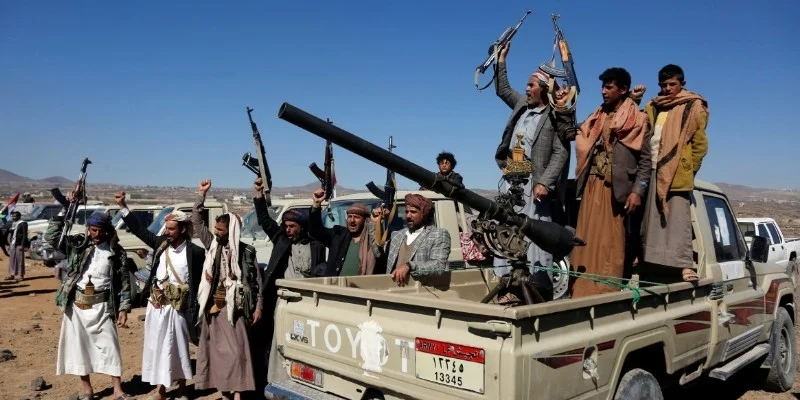
More than 140 fighters have been killed in recent clashes between Yemen’s government forces and Iran-aligned Houthi fighters in southwestern Yemen. The fighting over the strategic Bab al-Mandab Strait has become the deadliest in the area in two months, with more than 300 fighters and some civilians reportedly killed since Thursday.
Israel Strikes Hezbollah Positions in Southern Lebanon
Israel says it struck multiple sites in southern Lebanon in response to two Hezbollah drone attacks targeting Israeli soldiers. The Israeli military also warned residents near a building in Arab Salim to evacuate, saying Hezbollah was using the site. Hezbollah has not commented.