
Iran’s Revolutionary Guards Strike Kurdish Opposition Headquarters in Northern Iraq
· 140 views

TEHRAN (Terror Monitor) — Iran’s Islamic Revolutionary Guard Corps (IRGC) has reportedly carried out a drone strike targeting the headquarters of the Iranian Kurdish opposition group Komala in Iraq’s semi-autonomous Kurdistan Region, near the Iranian border, according to Iranian media.
The Tehran-based Mehr News Agency reported on Sunday that the IRGC’s ground forces conducted the operation overnight, targeting Komala’s headquarters in the Balisan area of northern Iraq. Mehr described the operation as part of what it called “pre-emptive offensive measures” against groups Tehran considers a threat to its national security.
The initial report did not provide a confirmed casualty figure. However, Kurdish media outlet Rudaw and Iraqi media reports, citing Komala and local security sources, said the strike caused material damage but no casualties were reported. The full extent of the damage could not be independently verified.
Iran’s Campaign Against Kurdish Opposition Groups
Iran has repeatedly targeted Iranian Kurdish opposition groups operating from bases and camps in Iraq’s Kurdistan Region. Tehran accuses these organizations of threatening Iran’s security and has described several of them as terrorist or separatist groups.
Iranian officials have also alleged that Kurdish opposition factions receive support from Israel, although no independently verified evidence linking Israel to this particular attack has been publicly established.
The latest reported strike comes amid heightened regional tensions following the outbreak of the war involving Iran, the United States and Israel. Iranian Kurdish opposition groups based in Iraq have faced repeated drone and missile attacks during the conflict.
The IRGC has conducted similar cross-border operations in previous years, particularly against Iranian Kurdish groups located in the Iraqi provinces of Erbil and Sulaymaniyah. These attacks have raised concerns over Iraqi sovereignty and the security of the Kurdistan Region.
In one of the deadliest recent incidents, nine Komala members were reportedly killed near Sulaymaniyah on July 17, according to media reports. Another drone attack targeting a Komala base in the Balisan area was reported on October 17, when the group said its facilities had sustained damage but no fighters were killed or injured.
Baghdad-Tehran Security Agreement
Iran’s military operations against Kurdish opposition groups in Iraqi territory have continued despite a security agreement between Tehran and Baghdad aimed at addressing Iranian concerns over the presence of these groups near the shared border.
The agreement, signed in March 2023, included measures concerning the disarmament and relocation of Iranian Kurdish opposition groups away from the border. Tehran has continued to demand action against organizations it accuses of conducting or supporting activities against Iran from Iraqi territory.
Iraqi federal authorities and the Kurdistan Regional Government face the challenge of addressing Iran’s security concerns while protecting Iraq’s sovereignty and preventing unilateral military operations inside the country.
Repeated cross-border strikes risk further complicating relations between Baghdad and Tehran, particularly as the wider regional conflict places additional pressure on Iraq’s political and security institutions.
Kurdish Population and Political Aspirations
The Kurds are a major ethnic group in the Middle East, with an estimated population of several tens of millions. They are primarily concentrated across Iraq, Iran, Türkiye and Syria, with additional communities living elsewhere in the region and abroad.
Kurdish political movements have pursued a range of objectives, including greater cultural and political rights, regional autonomy and, among some groups, independence. Their political goals differ across countries and organizations.
In Iraq, the Kurdistan Region operates as an autonomous federal region with its own regional institutions and security forces. Its current constitutional status developed through decades of Kurdish political struggle and was consolidated under Iraq’s post-2003 political order following the fall of Saddam Hussein.
Iranian Kurdish opposition organizations, meanwhile, continue to operate from Iraqi Kurdistan, where their presence remains a source of tension between Tehran, Baghdad and the regional authorities.
The latest reported drone strike underscores the continuing confrontation between Iran and Kurdish opposition groups based across the border. Further details about the operation, including the extent of the damage and any subsequent response from Iranian or Iraqi Kurdish authorities, remain subject to confirmation.
Related Articles
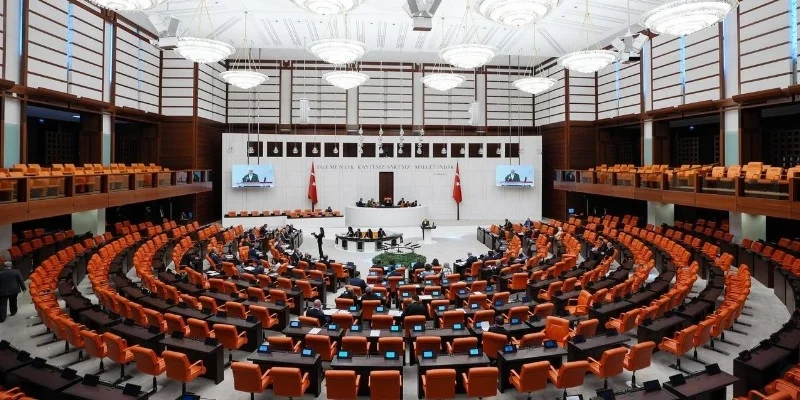
Turkish Parliament Ratifies Mecca Defence Pact with Pakistan and Saudi Arabia
Türkiye’s parliament has ratified the Mecca Joint Defence Agreement with Pakistan and Saudi Arabia by 279 votes to 119, formalising a trilateral pact under which an armed attack against one member would be treated as an attack against all three. The agreement provides for military coordination, intelligence sharing and mutual defence assistance, while any deployment of Turkish troops to Saudi Arabia would require separate parliamentary approval.
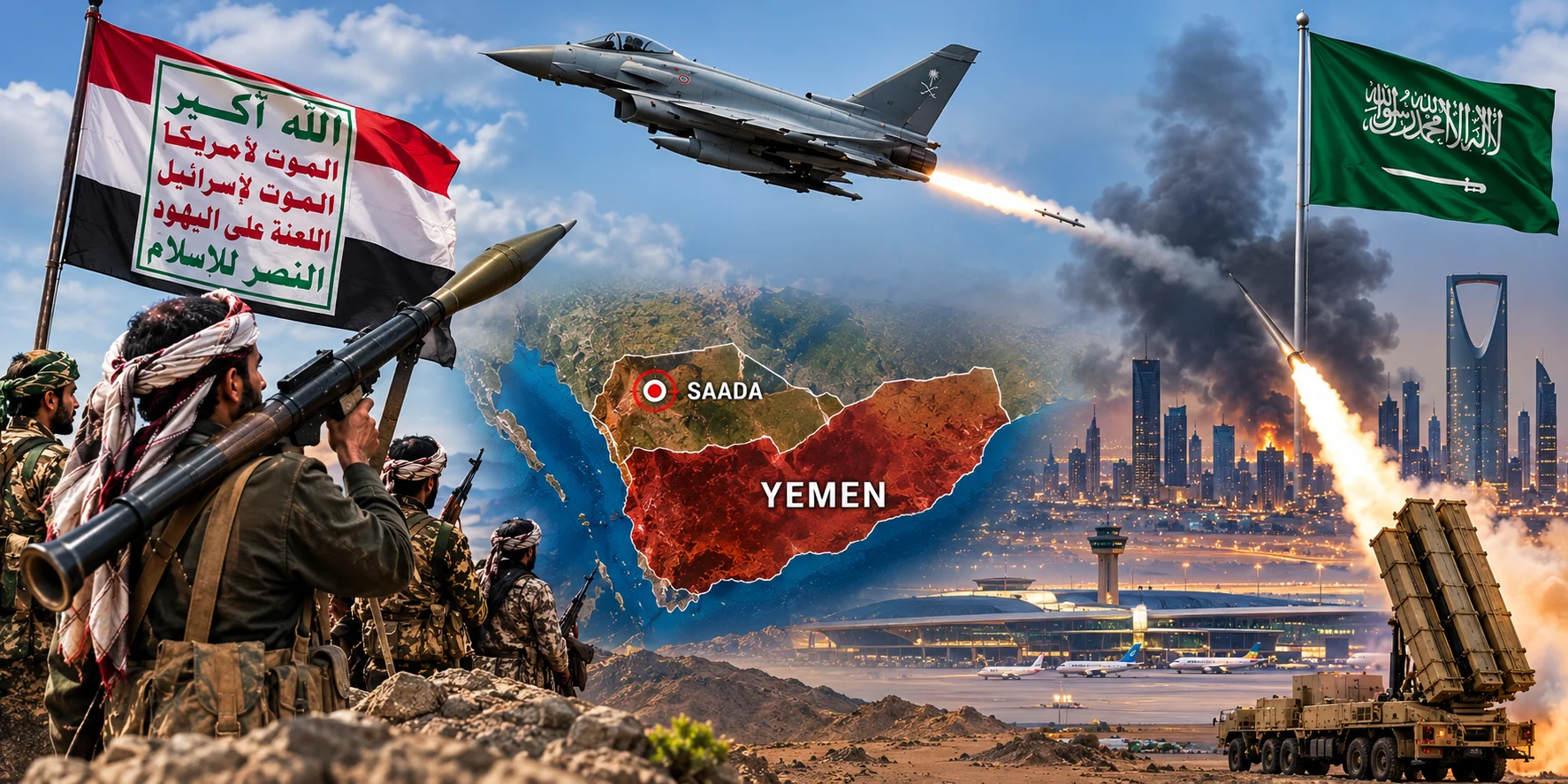
Houthis Claim Saudi Airstrikes Kill 30 at Busy Market in Yemen's Taiz Province
Iran-backed Houthi rebels claim Saudi-led coalition airstrikes killed at least 30 people and wounded eight others at a crowded market in Yemen's Taiz province. Yemeni government-aligned authorities have disputed the Houthis' account, while the Associated Press says it could not independently verify responsibility for the attack.
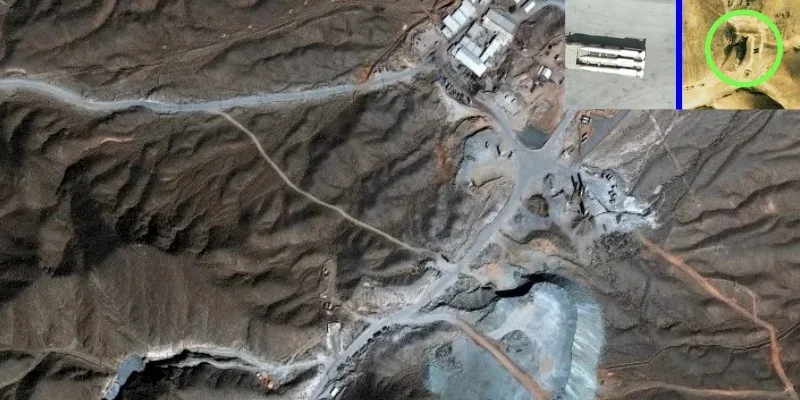
Iran Rebuilds Missile Bases and Moves Military Infrastructure Underground Amid Fears of Renewed US-Israeli Strikes
Satellite imagery shows Iran rebuilding damaged missile bases and expanding underground military facilities as Tehran prepares for possible renewed US-Israeli airstrikes. The reconstruction comes amid growing speculation about further American military action and political divisions in Washington over the war's consequences.
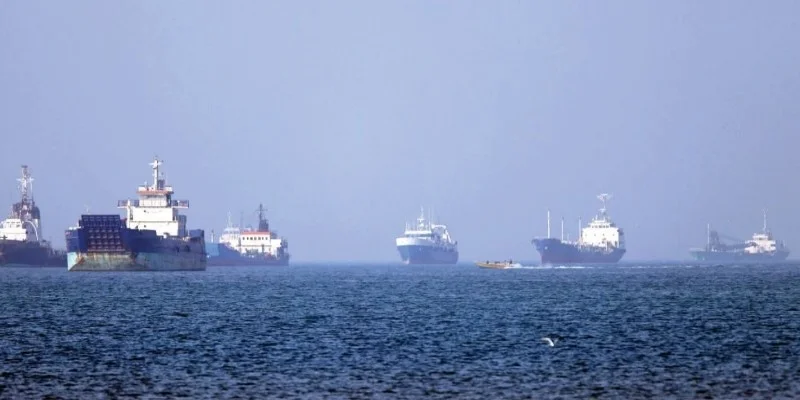
US Sanctions Indian Couple and Companies Over Alleged Support for Iran’s Shadow Tanker Fleet
The US has sanctioned an Indian couple and several companies for allegedly operating fraudulent maritime registries and helping Iran’s shadow tanker fleet transport oil while evading international sanctions.