
Israel Intensifies Airstrikes on Southern Lebanon, Killing at Least 11
· 82 views
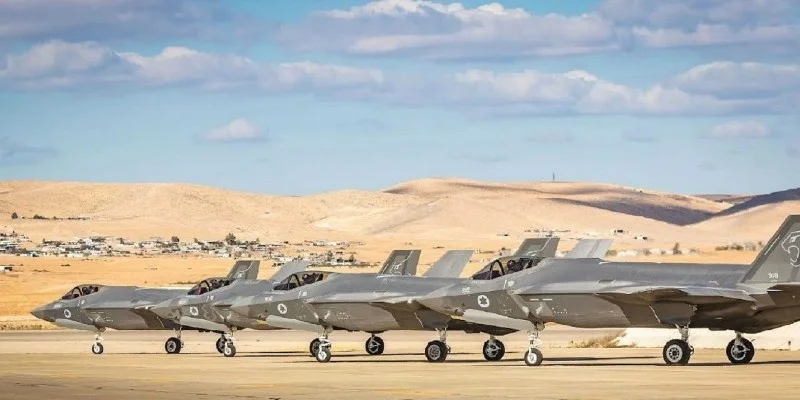
Beirut (Terror Monitor) — At least 11 people, including two children and two medical workers, were killed in Israeli strikes on a town in southern Lebanon on Monday morning, according to Lebanon’s state-run National News Agency.
Israel has intensified its air campaign in southern Lebanon despite a ceasefire reached in June that was intended to end fighting between the Israeli military and the Lebanese armed group Hezbollah. At least seven people were killed in Israeli strikes on Sunday.
According to Lebanon’s official news agency, Israeli warplanes struck a residential building in the southern Lebanese town of Kfar Rumman shortly after midnight, killing nine people, including two children, and injuring five others.
The Lebanese news agency reported that a separate Israeli drone strike in the same town targeted a civilian vehicle, killing two medical workers who were inside.
The latest attacks have raised further concerns about the future of the ceasefire and prospects for peace and stability along the Lebanese-Israeli border.
No evacuation warning was issued by the Israeli military through social media or other channels before the strikes on the southern Lebanese town. The Israeli military did not immediately respond to Reuters’ questions about the attacks, including whether it was aware that medical workers and children were present at the locations and why no advance evacuation warning had been issued.
However, shortly after 2 a.m. local time, an Israeli military spokesperson issued an evacuation warning for areas surrounding a building in another town in southern Lebanon. The military said Hezbollah facilities were located there and would be targeted.
More than 4,300 people have been killed in Lebanon in Israeli attacks since March, according to Lebanese authorities. Hezbollah began firing rockets at Israel on March 2, two days after the United States and Israel launched attacks on Iran. Israel subsequently intensified its air and ground operations in Lebanon.
Israeli Operations Continue in Southern Lebanon Despite Ceasefire
Violence in southern Lebanon declined significantly following the ceasefire. However, the Israeli military has continued demolishing villages inside a declared security zone in areas of southern Lebanon under its control.
The Israeli military has also continued carrying out strikes inside and north of the security zone, many of which were conducted without prior evacuation warnings. The continued military activity has fueled fear and anxiety among local residents.
Related Articles
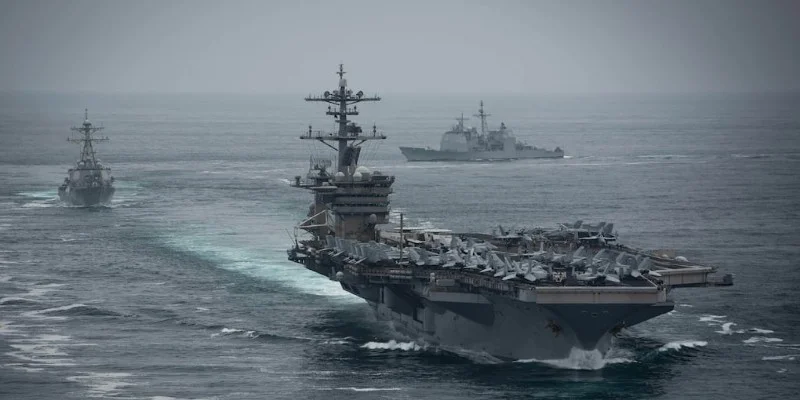
Two Missiles Reportedly Strike Iran’s Qeshm Island as Trump Hints at U.S. Military Strikes
Two missiles reportedly struck Iran’s Qeshm Island as President Donald Trump appeared to acknowledge U.S. military strikes on an air defense system. Meanwhile, Washington issued a security alert urging Americans across the Middle East to exercise increased caution amid rising regional tensions.
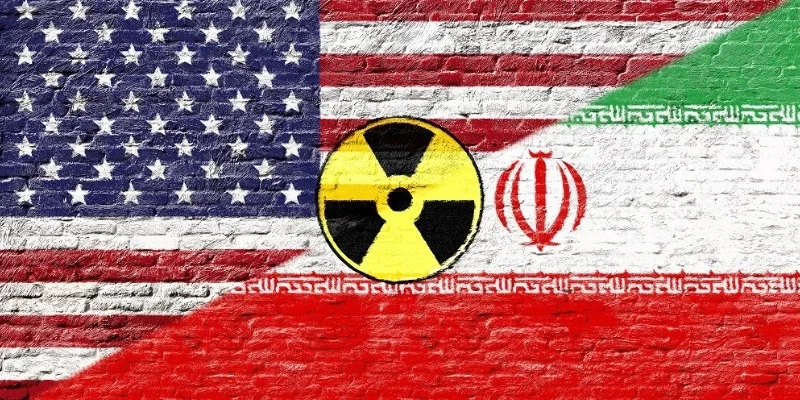
US Offers $20 Million Reward for Information on Iran’s Nuclear Programme, Sanctions 8 Canadian Financial Firms
The United States has offered up to $20 million for information on Iran’s nuclear programme while imposing sanctions on eight Canadian financial services businesses accused of helping Tehran and the IRGC move funds through digital assets.

Trump Defends Iran War, Says Israel and Middle East Would Not Exist Without US Military Action, Warns of Further Strikes
US President Donald Trump has defended his military campaign against Iran, claiming Israel and the entire Middle East would not exist if he had failed to prevent Tehran from acquiring nuclear weapons. His remarks come after Vice President JD Vance blamed the Iran war for the Republican Party's midterm election defeat. Trump has also warned of further military action against Iran, insisting that the biggest phase of the campaign has yet to come.
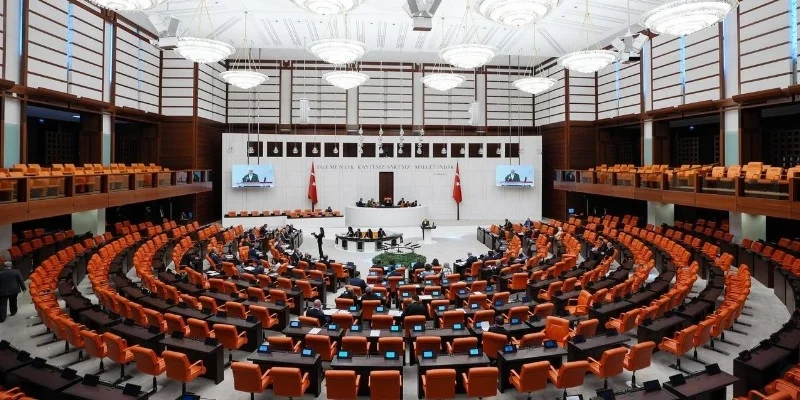
Turkish Parliament Ratifies Mecca Defence Pact with Pakistan and Saudi Arabia
Türkiye’s parliament has ratified the Mecca Joint Defence Agreement with Pakistan and Saudi Arabia by 279 votes to 119, formalising a trilateral pact under which an armed attack against one member would be treated as an attack against all three. The agreement provides for military coordination, intelligence sharing and mutual defence assistance, while any deployment of Turkish troops to Saudi Arabia would require separate parliamentary approval.