
Netanyahu Defends Israel’s Military Actions at UN as Dozens of Delegates Walk Out
· 47 views
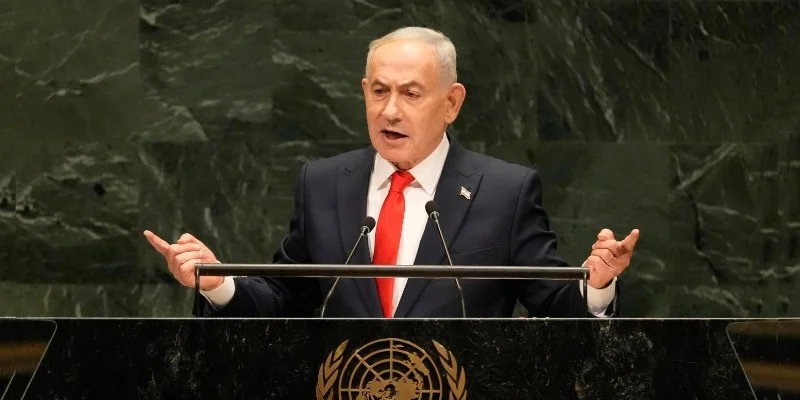
UNITED NATIONS (Terror Monitor) — Israeli Prime Minister Benjamin Netanyahu mounted a forceful defense of Israel’s military operations in Gaza, Iran and elsewhere in the Middle East during his address to the United Nations General Assembly on Thursday, as dozens of delegates walked out of the chamber in protest.
As Netanyahu approached the podium, numerous delegations left the General Assembly hall. Reuters reported that the walkout highlighted the growing international criticism Israel faces over its conduct of the Gaza war. Supporters in the gallery responded by chanting in Hebrew in support of Israel.
Netanyahu responded defiantly, saying Israel would win and had no other choice. He also criticized those who left the chamber, calling them “moral cowards” and challenging any remaining critics to leave as well.
Netanyahu rejects genocide allegations
A central part of Netanyahu’s speech was his rejection of allegations that Israel is committing genocide in Gaza.
He described the genocide accusation as a false allegation and argued that Israel’s military campaign was aimed at preventing Hamas from carrying out attacks against Israelis. Israel has consistently rejected genocide allegations, saying its forces target Hamas and that the group operates from within civilian areas.
The speech came amid continuing international scrutiny of Israel’s military conduct in Gaza and growing diplomatic criticism over the humanitarian situation. Reuters reported that Netanyahu used the address to defend Israel’s actions while seeking to counter what Israeli officials describe as misinformation about the war.
Attack on Iran and regional military operations
Netanyahu also defended Israel’s military campaign against Iran and portrayed the confrontation as part of a broader struggle over Israel’s security.
He praised U.S. President Donald Trump as a key partner and said Israel had acted to counter threats from Iran and armed groups across the region.
His remarks came as the United States and Israel remain engaged in a wider confrontation with Iran, while fighting and military tensions have also affected Lebanon, Syria and Yemen. The U.N. General Assembly has become a major diplomatic forum for competing positions over the conflict.
Abbas condemns Israeli policies
Earlier in the day, Palestinian President Mahmoud Abbas addressed the General Assembly through a prerecorded video after the United States denied him a visa to attend the session in person for a second consecutive year.
Abbas accused Israel of pursuing policies that threaten the continued presence of Palestinians on their land, particularly through the expansion of Israeli settlements in the occupied West Bank. He warned that such policies undermine the prospects for a two-state solution.
He also accused Israel of carrying out a campaign of killing, destruction, hunger and forced displacement in Gaza and called for international action to protect Palestinian rights.
The contrasting speeches underscored the deep divide between the Israeli and Palestinian positions at this year's General Assembly.
Netanyahu attacks Erdogan
Netanyahu also sharply criticized Turkish President Recep Tayyip Erdogan, accusing him of supporting Hamas and describing him in highly critical terms.
The Israeli prime minister also criticized Western governments over their positions on Israel and attacked Qatar and Türkiye over their policies toward the Gaza conflict. Reuters reported that Netanyahu used the speech to confront several governments and political figures he considers hostile to Israel.
Türkiye rejected Netanyahu’s accusations.
Turkish Presidential Communications Director Burhanettin Duran said Netanyahu’s use of the U.N. platform to make what Ankara described as baseless accusations against Türkiye and Erdogan was incompatible with the principles of peace, international law and dialogue represented by the United Nations.
Clash with New York Mayor Zohran Mamdani
Netanyahu also directed criticism at New York City Mayor Zohran Mamdani, who has previously described Netanyahu as a war criminal and accused Israel of genocide in Gaza.
Reuters reported before the speech that Netanyahu intended to confront Mamdani over his criticism of Israel. During the address, Netanyahu accused the mayor of supporting figures and positions associated with Hamas.
Mamdani later rejected Netanyahu’s characterization of his position, saying the Israeli prime minister had used the U.N. platform to repeat what he described as false claims about the Gaza war. Reuters reported that Mamdani has previously said he would seek to enforce an International Criminal Court arrest warrant against Netanyahu if he had the legal authority to do so.
Netanyahu’s appearance at the General Assembly came amid heightened diplomatic pressure over Gaza and ahead of Israel’s October 27 election. Reuters said the walkout and protests illustrated the competing pressures surrounding the Israeli prime minister as he faces criticism abroad while campaigning at home.
Related Articles
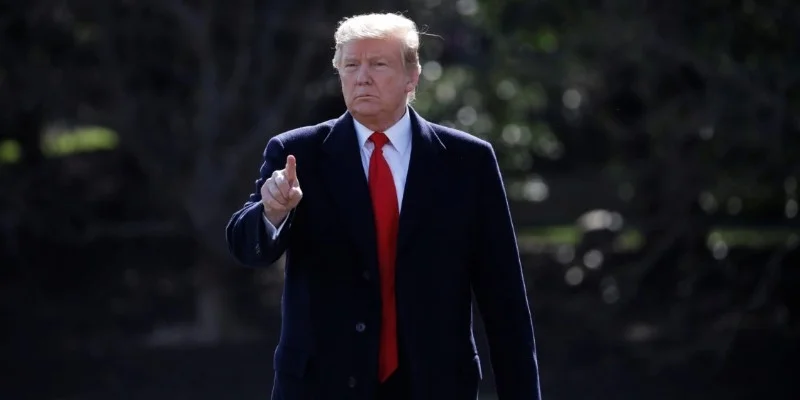
US President Trump Rejects Iran’s Seven-Day Ceasefire Proposal
U.S. President Donald Trump has rejected Iran’s proposal for a seven-day ceasefire aimed at ending the conflict, reopening the Strait of Hormuz and restarting nuclear negotiations, according to The Wall Street Journal. Iranian Foreign Minister Abbas Araghchi said Tehran was ready to implement the plan immediately if Washington agreed, while U.S. officials said diplomatic contacts with Iran were continuing through intermediaries.
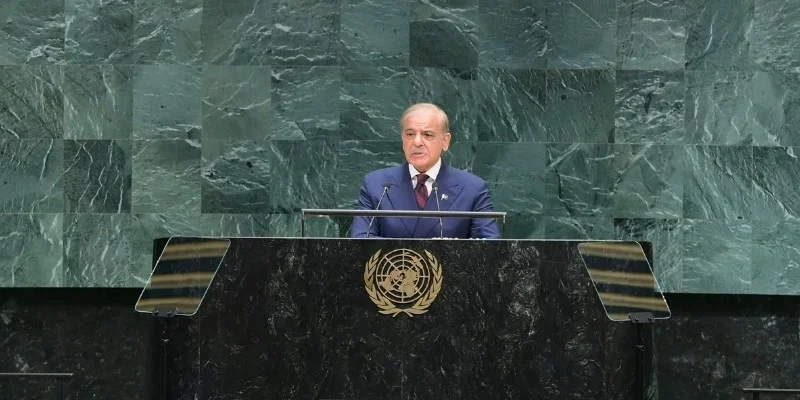
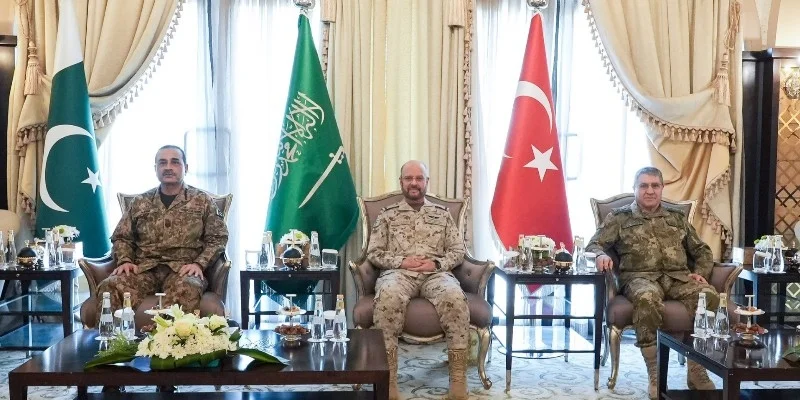
Pakistan, Saudi Arabia and Türkiye Military Chiefs Meet in Riyadh Under Makkah Defence Pact
Military chiefs from Pakistan, Saudi Arabia and Türkiye met in Riyadh under the Makkah Joint Defence Agreement to discuss regional security threats and attacks targeting Saudi Arabia. The three sides reaffirmed their commitment to collective defence and discussed intelligence sharing, military coordination, operational cooperation and the integration of defence capabilities.
Saudi Arabia Says Six Houthi Ballistic Missiles Intercepted Near Taif and Yanbu
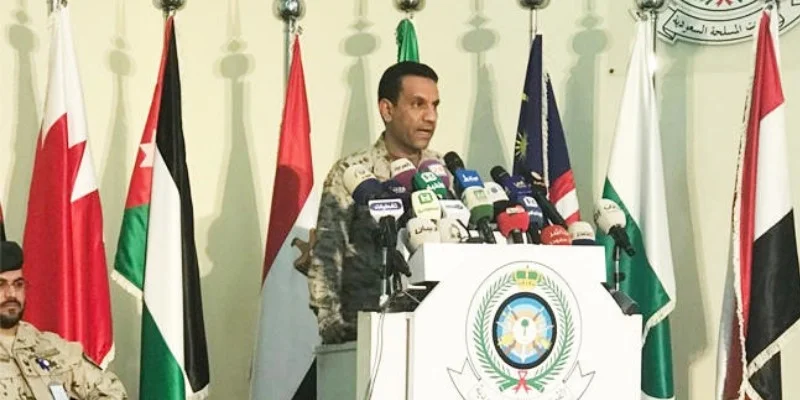
Saudi Arabia says its air defenses intercepted and destroyed six ballistic missiles launched by Iran-backed Houthis toward Taif and Yanbu. The reported interceptions come as attacks on Saudi energy infrastructure continue, while Aramco explores additional export routes and overseas storage options to reduce the impact of disruptions.