
High-Level U.S.-Iran Talks Held in New York, Tehran Confirms
· 8,167 views
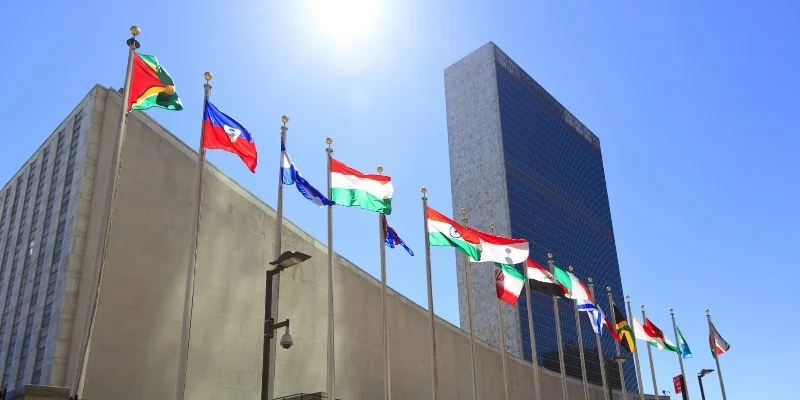
NEW YORK (Terror Monitor) — U.S. President Donald Trump said Tuesday that American and Iranian officials held a three-hour meeting in New York on the sidelines of the United Nations General Assembly, describing the talks as “very good” and “very productive.”
Trump said U.S. special envoy Steve Witkoff and Jared Kushner took part in the meeting, but he did not initially identify the Iranian officials who attended. Iranian state media later confirmed that Foreign Minister Abbas Araghchi met with Witkoff in New York.
Witkoff said after the talks that he felt “very good” about the meeting. He later said mediators had spent the day carrying messages between the two sides and that one round of talks had been completed successfully. He described the process as constructive and said the mediators would continue their efforts.
The talks took place amid mediation efforts involving Qatar and Pakistan, which have been facilitating communication between Washington and Tehran.
Iran Sets Conditions Over Strait of Hormuz
Iranian state media reported that Araghchi conveyed Tehran’s conditions for reopening the strategically important Strait of Hormuz during his meeting with Witkoff.
According to the Iranian report, the conditions include the immediate lifting of the U.S. naval blockade, the release of Iran’s frozen assets and an end to the war on all fronts associated with what Tehran calls the “Axis of Resistance.”
A senior Iranian official separately told Reuters that Tehran was prepared to reopen the Strait of Hormuz within a week if Washington eased military pressure and lifted its blockade of Iranian ports. Reuters reported that Iran’s delegation in New York had authority to pursue diplomatic negotiations.
However, Iran’s semi-official Fars News Agency later disputed reports that Tehran had offered to reopen the strait within seven days in exchange for the lifting of the U.S. blockade, describing those reports as inaccurate.
The Strait of Hormuz is a major global energy shipping route, making its status a central issue in the wider U.S.-Iran confrontation.
Further Talks Expected
Trump said he expected further discussions between the two sides in the near future but did not announce a new agreement or ceasefire.
The New York meeting represents a significant diplomatic contact between Washington and Tehran as both sides continue to exchange military and political warnings. The talks also came as Iranian President Masoud Pezeshkian and Foreign Minister Abbas Araghchi attended the U.N. General Assembly in New York.
For now, it remains unclear whether the discussions will lead to a broader agreement to end the conflict. Both sides continue to maintain differing positions on the conditions for ending hostilities and reopening the Strait of Hormuz.
Related Articles
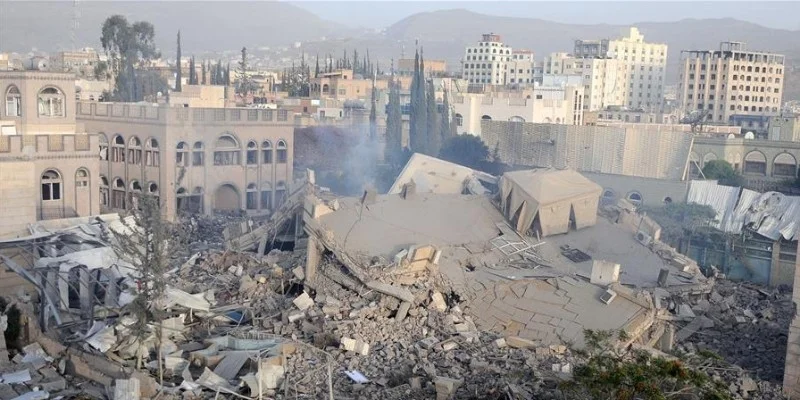
Houthis Say Saudi Airstrikes Kill 33, Injure 39 Near Yemen’s Sanaa
Houthi-run media reports that Saudi airstrikes near Yemen’s Sanaa have killed at least 33 people and wounded 39 others, mostly women and children. Saudi Arabia says it is investigating the reports.
US CENTCOM Establishes ‘Iron Gate’ Task Force to Disrupt Iran’s Weapons Supply Routes
US CENTCOM has established Task Force Iron Gate to disrupt Iran’s weapons supply routes through land borders and the Caspian Sea, expanding Washington’s efforts to restrict Tehran’s military capabilities.
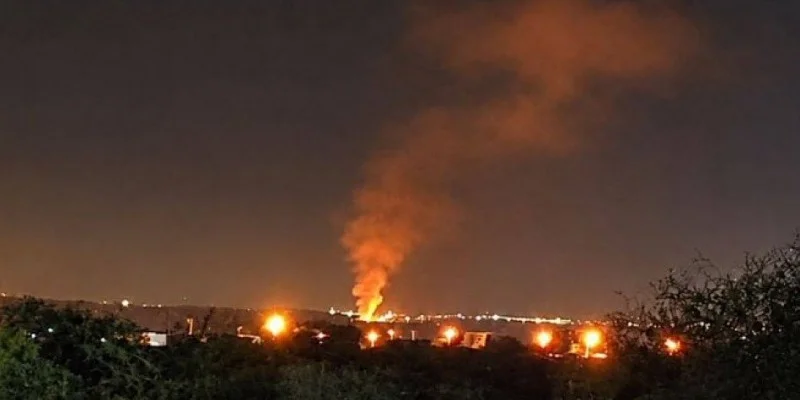
US Strikes Multiple Targets in Southern Iran Near Strait of Hormuz, Explosions Reported
The United States has struck multiple locations in southern Iran near the Strait of Hormuz, including Jask port, Qeshm Island and Bandar Abbas, triggering explosions across several areas. Iran claims it launched anti-ship ballistic missiles towards US naval warships in retaliation.
US President Trump Says Iran Will Never Be Allowed to Acquire Nuclear Weapons
US President Donald Trump has reiterated that Washington will never allow Iran to acquire nuclear weapons, claiming that US airstrikes on Iranian nuclear facilities in June 2025 prevented a potentially catastrophic threat to Israel and the Middle East.