
No Plans for Talks With Iran, US President Trump Says
· 47 views
Washington (Terror Monitor) — Oil prices rose again on Wednesday, August 19, while stock markets fell as prospects for an agreement to end the nearly six-month-long conflict diminished. Borrowing costs in major economies, including the United States, have also climbed close to their highest levels in decades, raising long-term concerns over inflation and other financial repercussions.
A temporary ceasefire agreement between Iran and the United States expired on Monday. A senior Iranian official told Reuters that, amid the diplomatic deadlock, Iran was moving toward making its military strategy “fully offensive.” However, no new attacks by either side were reported on Tuesday.
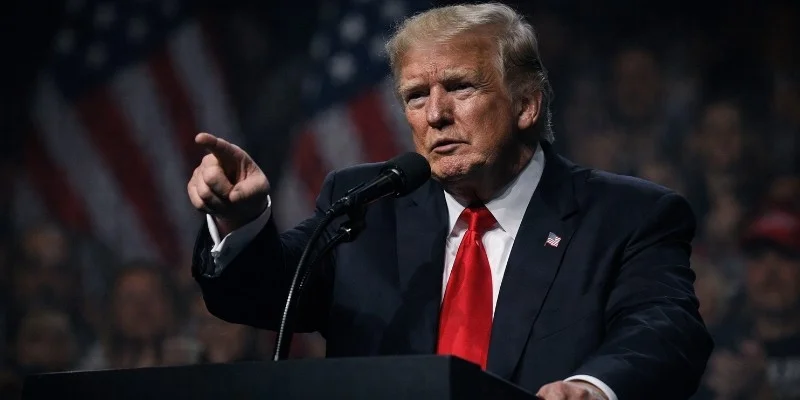
U.S. President Donald Trump said on Tuesday evening on his social media platform, Truth Social, that “there are no talks taking place with the Islamic Republic of Iran, nor is there a schedule for them.”
He added that the “blockade is fully in effect” and that the Strait of Hormuz was “open and active.” Trump also claimed that all naval mines had either been removed or detonated.
According to the semi-official Fars News Agency, Mohammad Mokhber, an adviser to Iran’s Supreme Leader, said Tuesday that Tehran remained ready for talks with the United States, but negotiations could not be interpreted as surrender.
Mokhber said military pressure and sanctions would not break Iran’s resolve. He said Iran would defend its security, dignity and allies, while stressing that Tehran was not seeking war.
Reuters, citing three Iranian officials, reported that Iran’s leaders were increasingly concerned about the country’s difficulties. They fear that additional economic sanctions could worsen public hardship, trigger renewed unrest and further damage the reputation of the Islamic Republic.
Thousands of people have been killed in the conflict, with most of the deaths reported in Iran and Lebanon. Iran has also targeted U.S. military bases and infrastructure in several countries, including Oman, Jordan, Kuwait, Israel, the United Arab Emirates and Saudi Arabia.
The conflict, which began nearly six months ago with joint U.S.-Israeli airstrikes on Iran, has now entered a stalemate.
Iran continues to threaten maritime traffic in the Strait of Hormuz, while Washington has warned that it could resume military action if negotiations fail to produce a long-term agreement.
A key U.S. objective is to prevent Iran from acquiring nuclear weapons. However, experts say achieving that goal could prove difficult unless Iran’s enriched uranium is removed from the sites that were previously targeted by U.S. forces.
Related Articles
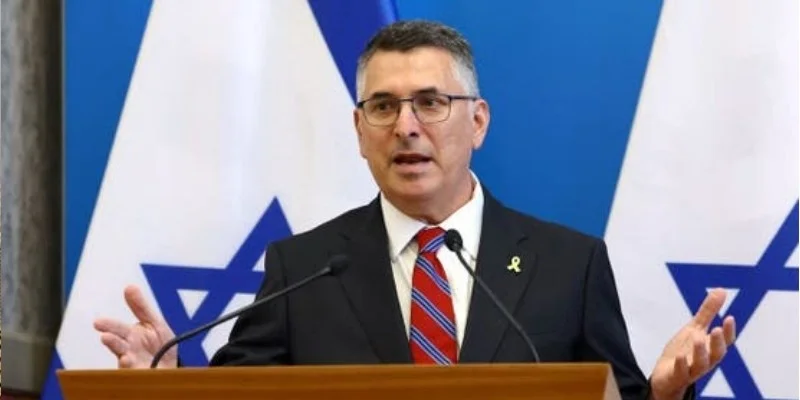
Israel Announces Retaliatory Measures Against UK, Threatens to Close Jerusalem Consulate
Israel has announced retaliatory measures against Britain, including plans to close the British consulate in Jerusalem, end British training for Palestinian security forces and bar 12 British lawmakers and other nationals, following UK restrictions on Israeli settlements in the occupied West Bank.
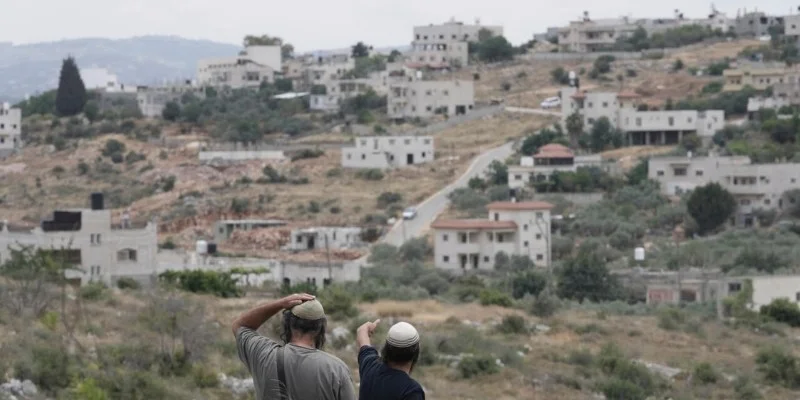
UK Bans Imports of Israeli Settlement Goods From Occupied West Bank
Britain has announced a ban on goods from Israeli settlements in the occupied West Bank, along with restrictions on certain settlement-linked services, in a move aimed at curbing settlement expansion and preserving the prospects of a two-state solution.
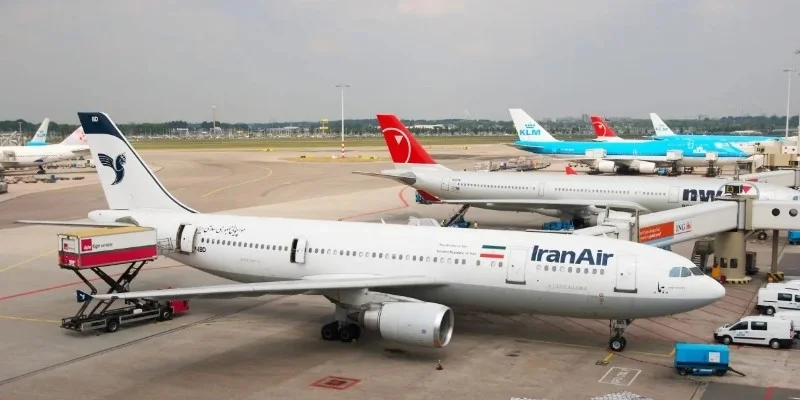
US Sanctions 27 Iranian Airlines and Other Entities
The US Treasury Department has sanctioned 27 Iranian airlines and several other entities under its “Operation Economic Outcast,” targeting companies accused of supporting Mahan Air and helping Iran maintain access to international financial networks.
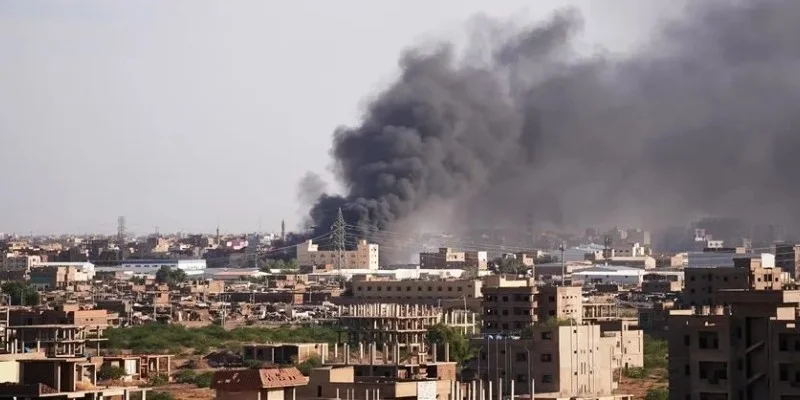
Drone Strike Outside Sudan Court Kills 12, RSF Blamed
A drone strike outside a courthouse in Sudan’s Umm Rawaba killed 12 people, with a medical source blaming the attack on the paramilitary Rapid Support Forces (RSF) amid the country’s ongoing civil war.