
Pakistan Intensifies Afghan Deportations
· 108 views
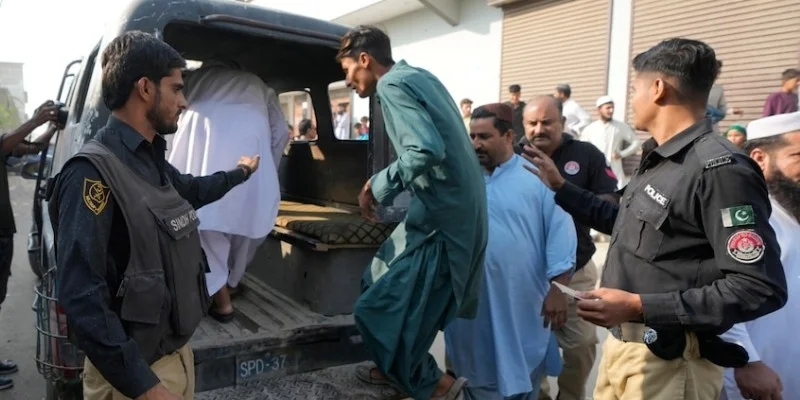
Peshawar (Shamim Shahid) — Pakistan has intensified its nationwide campaign to detain and deport Afghan nationals following the expiration of the government's July 10 deadline for undocumented Afghans to leave the country voluntarily, despite renewed concerns from the United Nations High Commissioner for Refugees (UNHCR).
Authorities have directed law enforcement agencies across the country, particularly in Khyber Pakhtunkhwa, to launch large-scale operations against Afghans residing illegally. Police have begun raids in Peshawar and other areas, detaining hundreds of Afghan nationals, including shopkeepers, laborers, and street vendors.
According to police officials, those detained are initially held at local police stations before being transferred to deportation centers, where they await removal to Afghanistan through the Torkham border crossing.
Crackdown Expands Across Khyber Pakhtunkhwa
A senior police official in Peshawar confirmed that operations against undocumented Afghan nationals began on Saturday under directives from the federal government.
He said authorities are gradually finalizing deportation schedules, with around 1,000 Afghans being handed over to Afghan authorities each day, while others continue returning voluntarily.
The main deportation center is located in Nasir Bagh on the outskirts of Peshawar, a site that once hosted one of the world's largest Afghan refugee camps established after the 1979 Soviet invasion of Afghanistan. Another detention center has been established in Landi Kotal near the Torkham border.
Detainees Allege Poor Conditions
Several Afghan residents alleged that conditions inside the detention centers are inadequate.
Latif Ullah, an Afghan resident of Peshawar's Afghan Colony, said many of those arrested were teenagers and workers. He claimed women were initially detained but later released with instructions to prepare for immediate departure to Afghanistan.
He also alleged that some detainees have complained of having to pay for drinking water, food, and other basic necessities while in custody. Terror Monitor could not independently verify these claims.
Another Afghan resident, Gulab Said, said his son remains in the Nasir Bagh deportation center after being detained several days ago.
"He is being treated like a prisoner," Said claimed. "Even drinking water is reportedly provided only after payment."
Pakistani authorities have not publicly responded to the allegations, and journalists have not been granted regular access to detention facilities.
UNHCR Calls for Voluntary, Safe Returns
UNHCR has expressed deep concern over Pakistan's deportation campaign.
Qaiser Afridi, a UNHCR spokesperson in Islamabad, said Pakistan has shown generosity by hosting Afghan refugees for more than four decades but stressed that refugees should not be returned to situations where their lives or freedom may be at risk.
UNHCR urged Pakistan to ensure that any returns are voluntary, safe, and dignified.
The agency also called on Islamabad to exempt vulnerable groups from involuntary deportation, including female-headed households, women and girls enrolled in educational institutions, ethnic and religious minorities, journalists, human rights defenders, performing artists, and members of the transgender community.
Millions Have Returned Since 2023
According to UNHCR, approximately 2.56 million Afghans have returned from Pakistan since September 2023, including around 260,000 who were forcibly deported.
The agency said returnees include holders of Proof of Registration (PoR) cards, some Afghan Citizen Card (ACC) holders, and roughly 120,000 Afghans who fled to Pakistan after the Taliban returned to power in August 2021.
UN officials estimate that more than 5.4 million Afghans have returned or been deported from Pakistan and Iran combined since late 2023, including approximately 2.9 million during 2025 alone.
Humanitarian Situation Worsens
The growing number of returnees is placing additional strain on Afghanistan, where nearly 22 million people already require humanitarian assistance.
Housing shortages, unemployment, limited public services, and restrictions on women's education and employment continue to complicate reintegration efforts.
During a recent visit to Kabul, senior UNHCR and UNDP officials met Taliban leaders, including Deputy Prime Minister Abdul Salam Hanafi, to discuss the humanitarian situation and the growing number of returnees.
Hanafi criticized the deportation of Afghan migrants from neighboring countries, calling it contrary to international law and the principles of good neighborly relations. He urged greater international support to help returnees rebuild their lives and prevent renewed migration.
UN officials also emphasized that Afghanistan's long-term recovery will not be possible without the full participation of women and called on the Taliban to lift restrictions on female education and employment.
The United Nations has appealed for $1.71 billion in humanitarian funding for Afghanistan this year, but only 16 percent of the required amount has been secured.
Related Articles
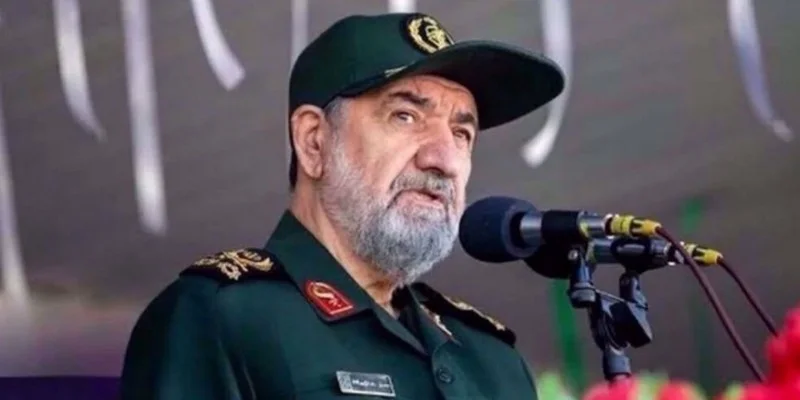
Iran Warns US of ‘Devastating Response’ if Washington Launches New War
Iran’s Mohsen Rezaei has warned that any renewed US military action against Iran would trigger a “devastating response,” while mocking the Trump administration over Republican losses in the US midterm elections and reported uncertainty surrounding senior officials.
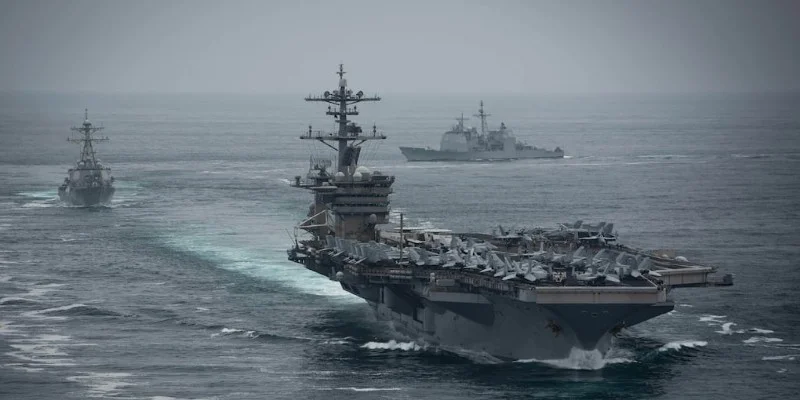
Two Missiles Reportedly Strike Iran’s Qeshm Island as Trump Hints at U.S. Military Strikes
Two missiles reportedly struck Iran’s Qeshm Island as President Donald Trump appeared to acknowledge U.S. military strikes on an air defense system. Meanwhile, Washington issued a security alert urging Americans across the Middle East to exercise increased caution amid rising regional tensions.
US Offers $20 Million Reward for Information on Iran’s Nuclear Programme, Sanctions 8 Canadian Financial Firms
The United States has offered up to $20 million for information on Iran’s nuclear programme while imposing sanctions on eight Canadian financial services businesses accused of helping Tehran and the IRGC move funds through digital assets.
Trump Defends Iran War, Says Israel and Middle East Would Not Exist Without US Military Action, Warns of Further Strikes
US President Donald Trump has defended his military campaign against Iran, claiming Israel and the entire Middle East would not exist if he had failed to prevent Tehran from acquiring nuclear weapons. His remarks come after Vice President JD Vance blamed the Iran war for the Republican Party's midterm election defeat. Trump has also warned of further military action against Iran, insisting that the biggest phase of the campaign has yet to come.