
Pakistan military expresses concern over cross-border militancy, vows response to threats
· 104 views
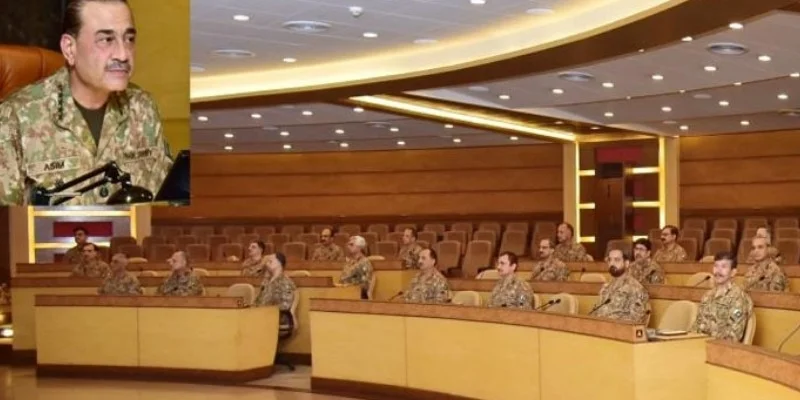
ISLAMABAD (Terror Monitor) — Pakistan’s Field Marshal Syed Asim Munir chaired the 276th Corps Commanders’ Conference held at General Headquarters (GHQ) in Rawalpindi on Monday, according to the Inter-Services Public Relations (ISPR).
The ISPR said participants expressed concern over the alleged use of Afghan territory by militant groups, including “Fitna al-Khawarij” and “Fitna al-Hindustan,” reportedly operating with external support to carry out attacks inside Pakistan.
The forum stated that lasting peace and stability in the region depend on preventing Afghan soil from being used by such elements, adding that responsibility in this regard rests with the Afghan Taliban administration.
The military leadership reiterated Pakistan’s “unambiguous right” to defend its citizens against terrorism and said counterterrorism operations under “Operation Ghazb-e-Haq” would continue based on intelligence inputs.
The meeting emphasized the need for effective governance structures in conflict-affected areas to ensure public welfare and dismantle the nexus between terrorism and crime.
The ISPR added that the forum noted an increase in what it described as hybrid warfare and coordinated propaganda campaigns aimed at destabilizing Pakistan following its “victory in the Battle of Haq,” warning that any such attempts would be met with a decisive response.
The conference reviewed the overall security situation and expressed confidence in the Pakistan Army’s operational readiness and professional capabilities.
It also appreciated Pakistan’s role in promoting dialogue, de-escalation, and regional stability, reiterating commitment to peaceful resolution of disputes and adherence to international law.
On water-related issues, the forum took note of India’s statements regarding the Indus Waters Treaty and reaffirmed earlier National Security Committee directives to protect Pakistan’s water rights.
The ISPR also condemned alleged human rights violations and demographic changes in Indian-administered Kashmir, reaffirming Pakistan’s support for the Kashmiri right to self-determination and describing Kashmir as Pakistan’s “jugular vein.”
The military leadership directed commanders to implement a multi-domain transformation plan in line with evolving warfare dynamics and stressed maintaining high operational readiness and vigilance.
Related Articles
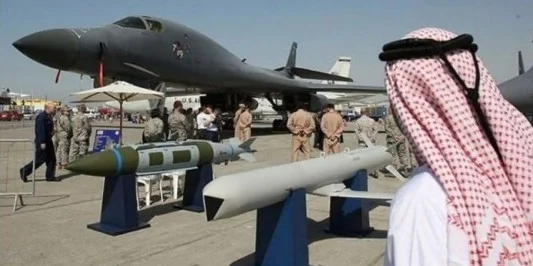
US Approves $5 Billion Arms Sale to Saudi Arabia
The U.S. State Department has approved a $5 billion military equipment sale to Saudi Arabia, including guidance systems for thousands of bombs and long-range missiles. Washington said the deal would strengthen Saudi Arabia’s air-defense capabilities and contribute to stability and economic development in the Gulf.

Pakistan Appoints Major General Faisal Naseer as NACTA National Coordinator
Pakistan’s federal government has appointed Major General Faisal Naseer as National Coordinator of the National Counter Terrorism Authority (NACTA) for a three-year term. Naseer, a former head of the ISI’s Internal Wing, takes charge as Pakistan faces rising militant violence, particularly in Khyber Pakhtunkhwa and Balochistan.
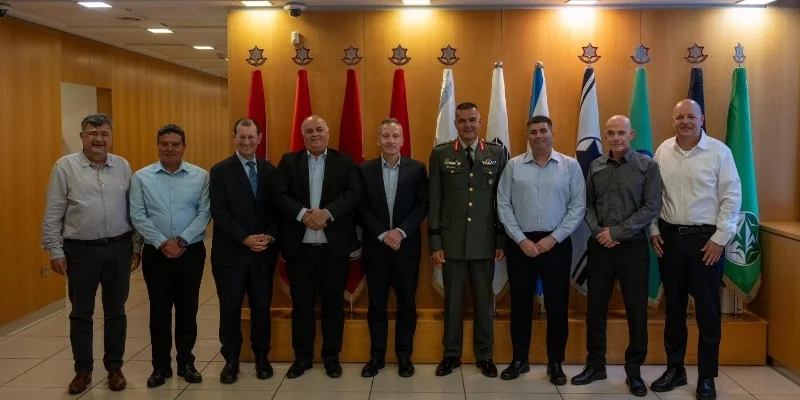
Israel and Greece Sign $3.5 Billion Defense Deal for Multilayered Air Defense System
Israel and Greece have signed a $3.5 billion defense agreement, their largest arms deal to date, under which Athens will acquire a multilayered Israeli air defense system designed to counter ballistic missiles, drones and other aerial threats.
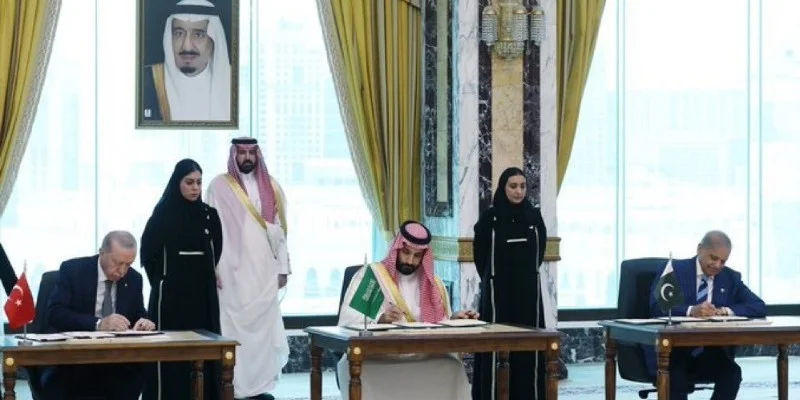
Turkey, Saudi Arabia and Pakistan to Hold First Meeting Under New Joint Defense Pact
Turkey, Saudi Arabia and Pakistan are set to hold their first committee meeting in Istanbul under the Makkah Joint Defense Agreement, which treats an armed attack on any one of the three countries as an attack on all. The pact aims to strengthen collective defense, military coordination and cooperation in the defense industry amid rising tensions across the Middle East.