
Two Houthi Security Commanders Killed in Clashes in Yemen’s Taiz Province
· 653 views
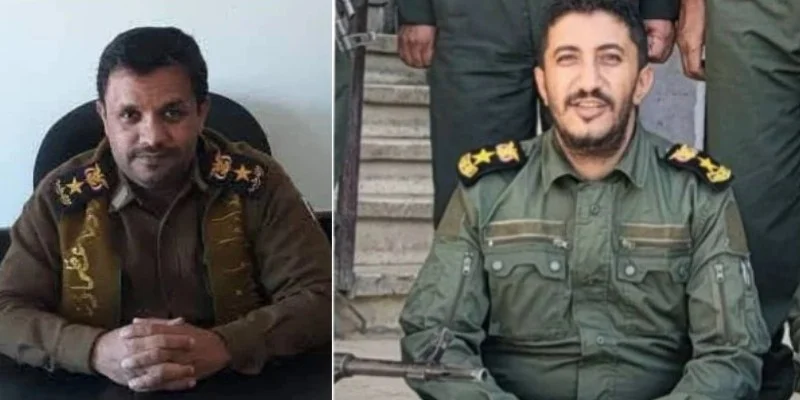
SANAA (Terror Monitor) — Two senior security commanders affiliated with Yemen’s Iran-backed Houthi movement, identified as Ibrahim al-Nounou and Brigadier Abu Abdullah al-Sufyani, have reportedly been killed during military confrontations in Taiz province, western Yemen, amid escalating hostilities between Houthi forces and troops aligned with the internationally recognized Yemeni government.
According to reports published by Yemeni and regional media on Friday, October 30, the two commanders were killed during fighting in the Al-Dhabab area of Taiz, where Saudi-backed Yemeni forces have been engaged in operations against Houthi positions.
The two men were identified as Ibrahim Zaid Ali al-Nounou, who headed the Abu Ali Amer Police Department in Sanaa, and Abu Abdullah Adel al-Sufyani, who headed the Wahaj Police Department in the Yemeni capital.
Reports citing local and military sources said both commanders had been deployed from their security positions in Sanaa to the front lines in Taiz.
Some reports attributed their deaths to military operations and airstrikes targeting Houthi positions in western Taiz, although the precise circumstances of their deaths have not been independently established.
Yemeni media outlet Ajel also reported that the two commanders and several members of their accompanying group were killed during confrontations in the Al-Dhabab area.
The reported deaths represent another loss among Houthi security personnel as fighting continues across several fronts in Taiz and other parts of Yemen.
Houthi Casualties Reported Across Multiple Fronts
Separate reports from Yemeni media have indicated mounting Houthi casualties in fighting across Taiz and the western coastal areas.
According to reports citing military sources, Houthi forces have suffered losses among their field commanders and security personnel during recent confrontations.
However, the reported casualty figures and the circumstances surrounding the deaths have not been independently verified.
Saudi-Led Coalition Reports Interception of Houthi Drone Near Makkah
Meanwhile, tensions between the Houthis and the Saudi-led military coalition have also intensified following an announcement that coalition air defences intercepted and destroyed a drone in the Makkah region of Saudi Arabia.
Coalition spokesperson Major General Turki Al-Maliki said in a statement published on the social media platform X that a drone launched by the Houthi militia had been intercepted and destroyed in the region.
The coalition did not provide further details about the drone's intended target, its precise interception location or the type of air defence system used.
The announcement prompted an immediate denial from the Houthi movement.
Houthi military spokesperson Yahya Saree said the group had not conducted any military operation targeting Saudi territory on Friday.
He described the coalition's account of intercepting a drone in the Makkah region as false, maintaining that the group's cross-border operations were directed at Saudi oil facilities and military installations rather than the holy city.
Additional Missile Interceptions Reported
The drone announcement came amid reports of further missile interceptions by Saudi-led coalition air defences.
According to Reuters, AFP and Al Jazeera, the coalition also announced that it had intercepted and destroyed a Houthi cruise missile targeting western Saudi Arabia.
The coalition had separately reported intercepting ballistic missiles directed towards Saudi territory in recent days.
The Houthis have repeatedly denied allegations that they deliberately targeted Makkah or Madinah, Islam's two holiest cities.
Regional Tensions Continue to Escalate
The latest developments reflect the continuing confrontation between the Saudi-backed Yemeni government and the Iran-aligned Houthi movement, which has controlled the capital, Sanaa, and large parts of northern Yemen since 2014.
Saudi Arabia intervened militarily in Yemen in March 2015 to support the internationally recognized government against the Houthis.
The conflict has since developed into a prolonged regional confrontation involving Saudi Arabia and Iran, with repeated missile and drone attacks, military operations and clashes along multiple fronts.
The reported deaths of the two Houthi security commanders in Taiz, alongside the latest missile and drone interception announcements, underscore the continuing escalation of military tensions in Yemen and the wider region.
Related Articles
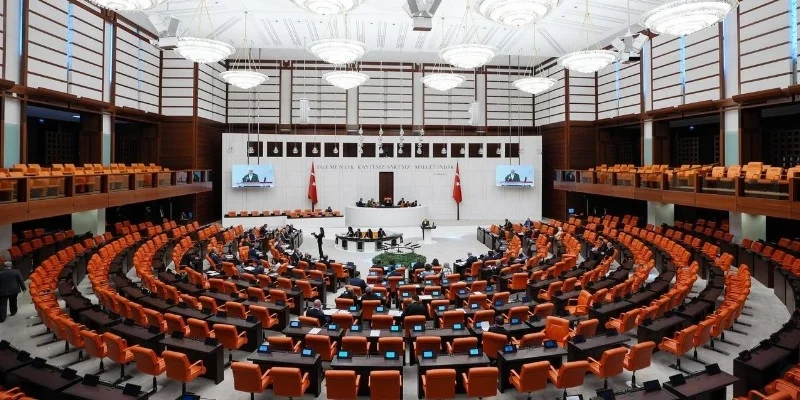
Turkish Parliament Ratifies Mecca Defence Pact with Pakistan and Saudi Arabia
Türkiye’s parliament has ratified the Mecca Joint Defence Agreement with Pakistan and Saudi Arabia by 279 votes to 119, formalising a trilateral pact under which an armed attack against one member would be treated as an attack against all three. The agreement provides for military coordination, intelligence sharing and mutual defence assistance, while any deployment of Turkish troops to Saudi Arabia would require separate parliamentary approval.
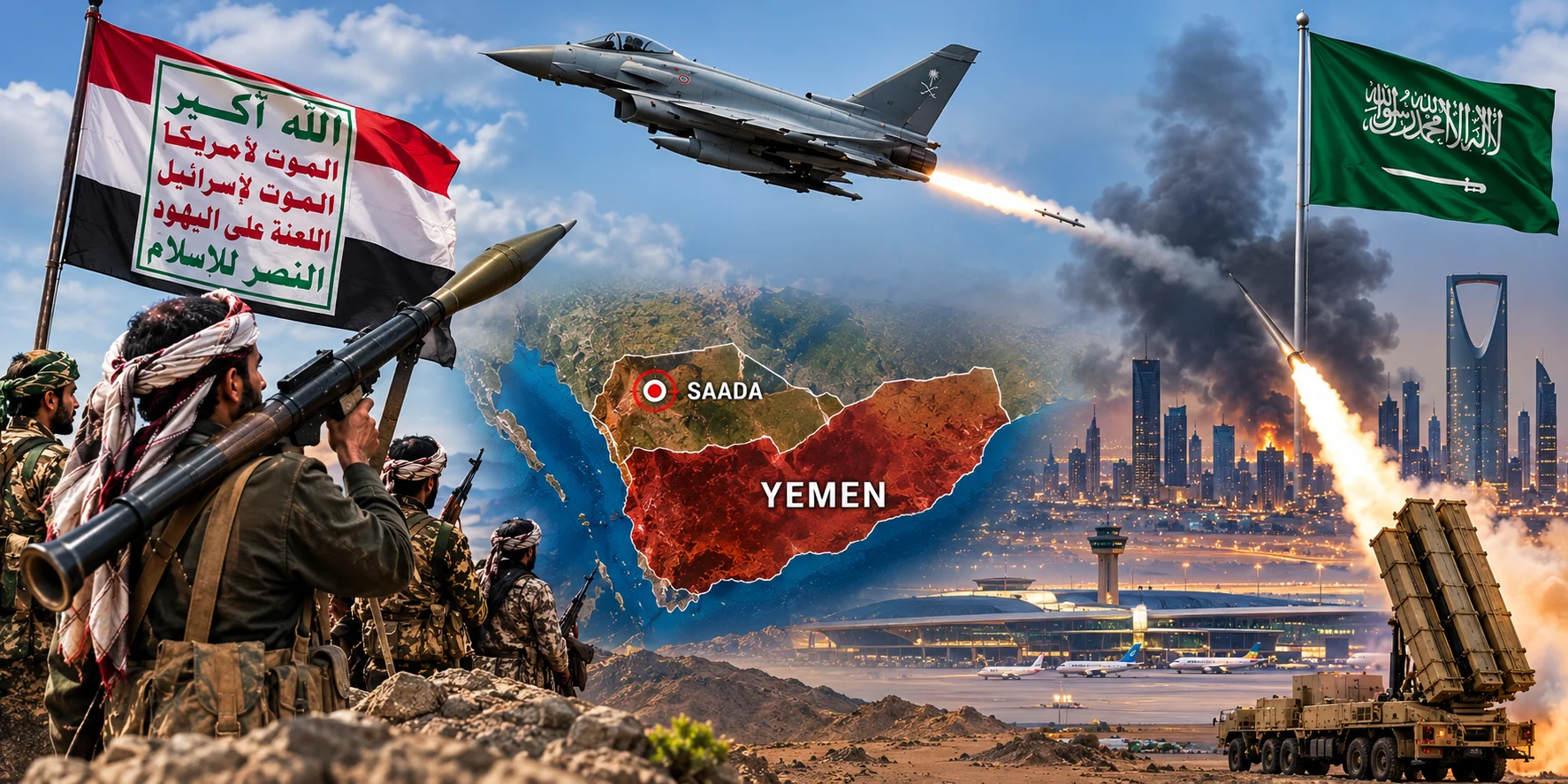
Houthis Claim Saudi Airstrikes Kill 30 at Busy Market in Yemen's Taiz Province
Iran-backed Houthi rebels claim Saudi-led coalition airstrikes killed at least 30 people and wounded eight others at a crowded market in Yemen's Taiz province. Yemeni government-aligned authorities have disputed the Houthis' account, while the Associated Press says it could not independently verify responsibility for the attack.
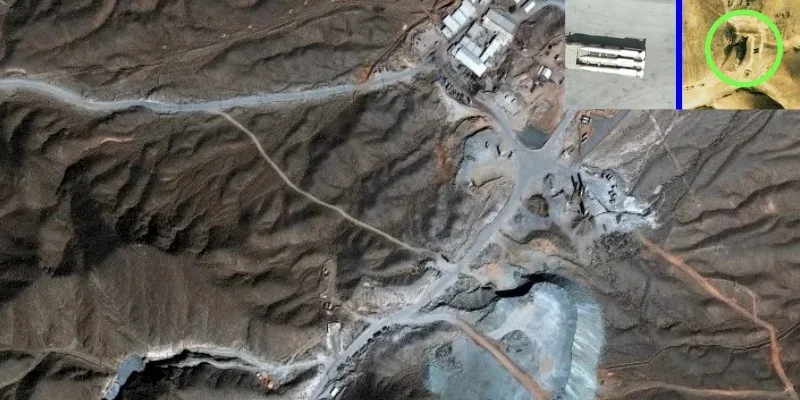
Iran Rebuilds Missile Bases and Moves Military Infrastructure Underground Amid Fears of Renewed US-Israeli Strikes
Satellite imagery shows Iran rebuilding damaged missile bases and expanding underground military facilities as Tehran prepares for possible renewed US-Israeli airstrikes. The reconstruction comes amid growing speculation about further American military action and political divisions in Washington over the war's consequences.
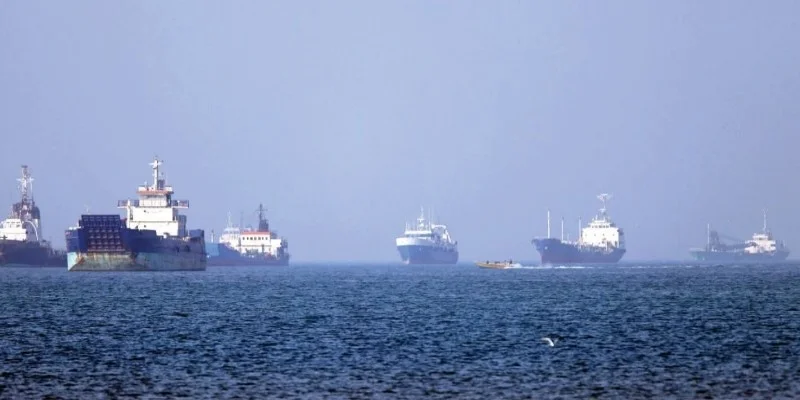
US Sanctions Indian Couple and Companies Over Alleged Support for Iran’s Shadow Tanker Fleet
The US has sanctioned an Indian couple and several companies for allegedly operating fraudulent maritime registries and helping Iran’s shadow tanker fleet transport oil while evading international sanctions.