
US Defense Secretary Pete Hegseth Meets Netanyahu in Unannounced Israel Visit Amid Rising Tensions With Iran
· 114 views
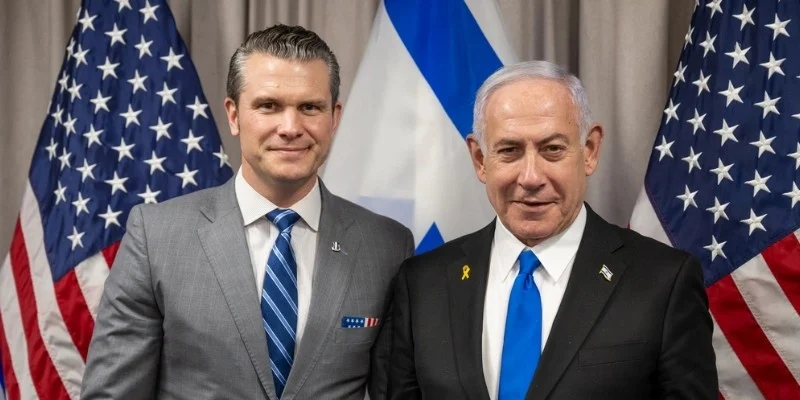
JERUSALEM (Terror Monitor) — US Defense Secretary Pete Hegseth held an unannounced meeting with Israeli Prime Minister Benjamin Netanyahu during a visit to Israel on Monday, with discussions focusing on Iran and growing security threats across the Middle East, according to Israeli officials.
The visit comes amid heightened tensions between Washington and Tehran over the Strait of Hormuz, escalating attacks by Iran-backed Houthi rebels against Saudi Arabia, and uncertainty over whether the United States and Israel could resume military operations against Iran.
According to Reuters, citing Israeli officials, Hegseth met Netanyahu at the Uvda Air Force Base in Israel’s southern Negev desert. Doron Spielman, a spokesperson for the Israeli prime minister, subsequently confirmed the meeting and said the two discussed regional threats and the US-Israeli partnership in addressing them through both offensive and defensive measures.
The meeting was first reported by Axios, which cited sources familiar with the visit. The Pentagon initially declined to comment, while the Israeli prime minister’s office did not immediately issue a public statement when the visit was first reported.
Hegseth acknowledged that he had visited American service members operating within the US Central Command area of responsibility, which covers the Middle East, northeastern Africa and parts of Asia. He did not initially publicly identify Israel as the location of his visit.
The discussions took place against the backdrop of a widening regional conflict and ongoing uncertainty over the next phase of US policy towards Iran.
Iran and Regional Security at the Centre of Discussions
Although officials did not disclose a detailed account of the meeting, the discussions came as Washington and Tehran remain at odds over the Strait of Hormuz and the possibility of renewed military confrontation.
The strategic waterway is a critical route for international energy supplies, and tensions surrounding it have increased concerns about maritime security, oil shipments and the broader economic consequences of the conflict.
Iran-backed Houthi rebels in Yemen have also intensified their attacks against Saudi Arabia, adding another dimension to the regional security crisis.
The meeting between Hegseth and Netanyahu is therefore significant because it brought together senior American and Israeli leadership at a time when both countries are assessing military threats, coordinating security measures and considering the potential consequences of further escalation.
Reuters reported that the visit came amid discussions about the possibility of renewed large-scale military operations against Iran, although the meeting itself did not establish that either government had decided to launch another offensive.
Trump Endorses Netanyahu Ahead of Israeli Election
Hegseth’s visit came one day after US President Donald Trump publicly endorsed Netanyahu ahead of Israel’s parliamentary election scheduled for October 27.
The election will be Israel’s first national vote since the October 7, 2023, Hamas attack on southern Israel, which triggered a prolonged regional conflict involving Israel, Hamas in Gaza, Hezbollah in Lebanon and, subsequently, Iran.
Trump’s endorsement represents a significant intervention in Israeli domestic politics at a sensitive moment for Netanyahu, whose political standing has been shaped by the security failures surrounding the 2023 attack, the subsequent wars and disagreements over the future direction of Israeli policy.
Reuters reported that opinion polls suggested Netanyahu’s religious-nationalist coalition could lose its governing majority, although opposition parties also faced uncertainty over their ability to form an alternative government.
Trump’s endorsement followed a period of uncertainty over his position towards Netanyahu. The US president had previously refrained from publicly backing the Israeli prime minister, amid differences and tensions over aspects of regional policy.
US Vice President JD Vance, meanwhile, declined to endorse Netanyahu when asked about the Israeli election, saying he was focused on American candidates and the upcoming US midterm elections.
The timing of Hegseth’s visit has drawn attention because of its proximity to the Israeli vote and the continuing debate over whether the United States and Israel might resume attacks against Iran.
However, no public evidence from the meeting establishes that the visit was intended to influence the Israeli election or that a decision on further military action was reached.
US and Israel Launched Joint Strikes Against Iran in February
The United States and Israel launched joint military strikes against Iran in late February, triggering a wider regional conflict and escalating hostilities across the Middle East.
The confrontation has since placed pressure on regional security arrangements, energy markets and international shipping, particularly around the Strait of Hormuz.
Netanyahu has told Israeli media this month that he does not want to initiate another military operation against Iran before Israel’s October 27 election.
Trump has also said he does not intend to launch further military action against Iran before the US midterm elections in November.
Those statements suggest that both leaders are weighing the military situation alongside important domestic political considerations. Nevertheless, preparations for potential future operations and continued security coordination mean that a resumption of hostilities cannot be ruled out.
The Pentagon has not publicly announced a decision to restart large-scale attacks against Iran.
Iran Warns Against New Attacks
Iranian officials have warned the United States and Israel against using the upcoming elections as a pretext to prepare another attack on Iranian territory.
Iranian military officials have repeatedly said in recent days that the country is prepared for a renewed military confrontation with Washington.
They have also warned that, if another phase of the war begins, Iran could employ new military targets and different types of weapons.
Such warnings underline Tehran’s determination to deter further attacks and signal that another round of fighting could involve a broader range of targets and capabilities.
The prospect of renewed hostilities remains a major concern for regional governments, particularly given the potential consequences for maritime traffic, energy infrastructure and civilian populations.
Washington and Tel Aviv Maintain Close Coordination
Hegseth’s unannounced visit highlights the continued coordination between Washington and Tel Aviv as the two governments confront a rapidly changing regional security environment.
The meeting also took place at a politically sensitive moment, with Netanyahu preparing for a closely watched election and Trump facing the November midterms in the United States.
While neither government has publicly announced a new military decision following the talks, the discussions focused on regional threats and the two countries’ ability to respond to them through offensive and defensive cooperation.
For now, both leaders have indicated that they do not intend to launch further attacks against Iran before their respective elections. However, Iran’s warnings, the continuing dispute over the Strait of Hormuz and escalating Houthi attacks against Saudi Arabia leave the regional security situation volatile.
Hegseth’s visit underscores the importance Washington and Tel Aviv attach to military coordination as tensions with Iran persist, even as political considerations and the risks of a wider regional war complicate decisions about the next phase of the conflict.
Related Articles
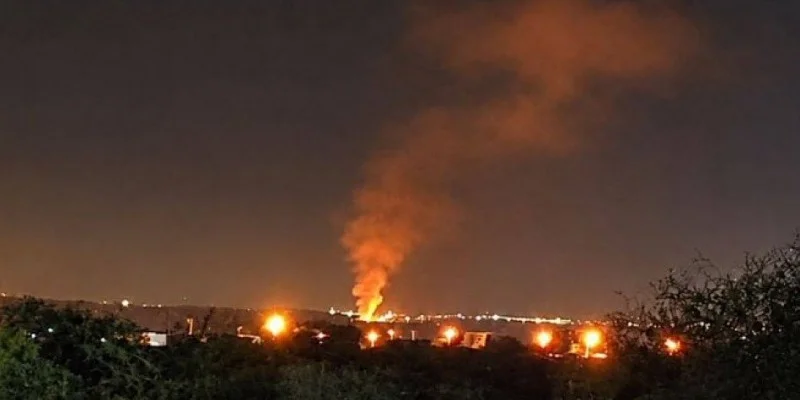
US Strikes Multiple Targets in Southern Iran Near Strait of Hormuz, Explosions Reported
The United States has struck multiple locations in southern Iran near the Strait of Hormuz, including Jask port, Qeshm Island and Bandar Abbas, triggering explosions across several areas. Iran claims it launched anti-ship ballistic missiles towards US naval warships in retaliation.
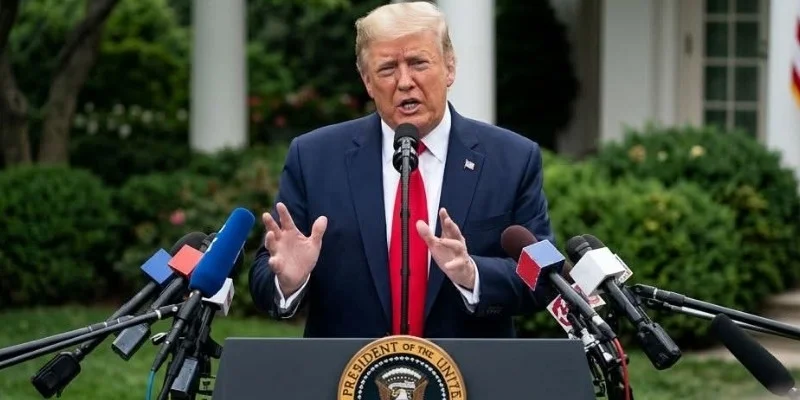
US President Trump Says Iran Will Never Be Allowed to Acquire Nuclear Weapons
US President Donald Trump has reiterated that Washington will never allow Iran to acquire nuclear weapons, claiming that US airstrikes on Iranian nuclear facilities in June 2025 prevented a potentially catastrophic threat to Israel and the Middle East.
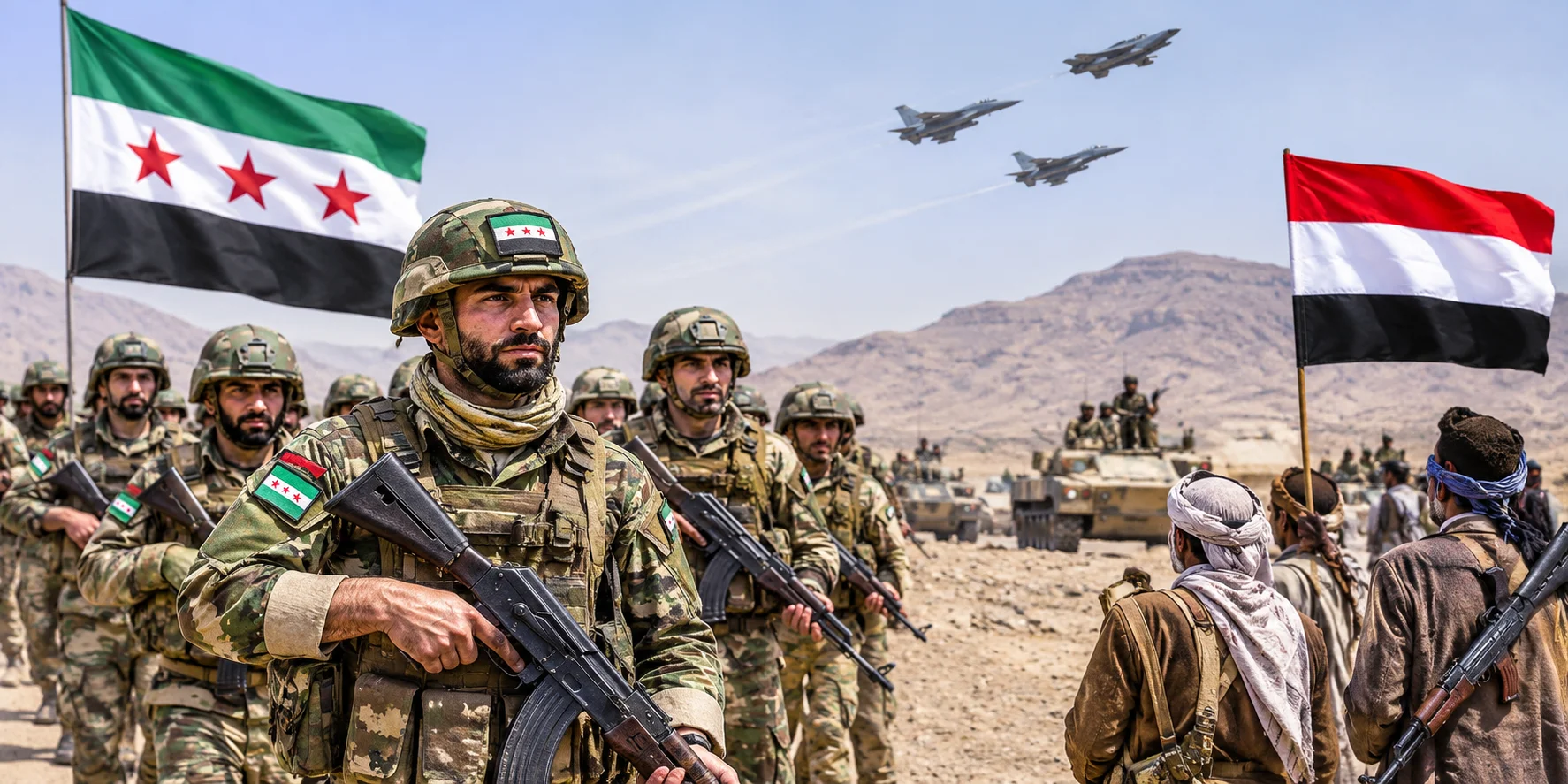
Yemeni Officials Say Thousands of Syrian Troops to Join Saudi-Led Campaign Against Houthis
Yemeni officials claim that around 3,000 Syrian troops could join the Saudi-led campaign against Iran-backed Houthis, with the number potentially rising to more than 10,000. However, Damascus has denied deploying combat forces to Yemen, while Reuters has independently reported a limited Syrian military advisory and training presence in Saudi Arabia.
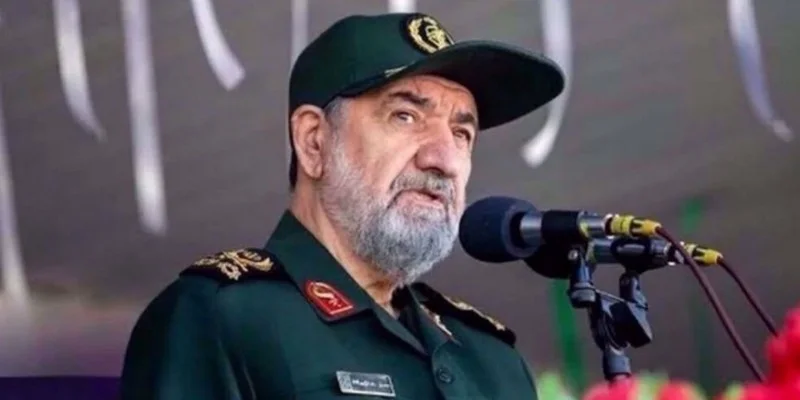
Iran Warns US of ‘Devastating Response’ if Washington Launches New War
Iran’s Mohsen Rezaei has warned that any renewed US military action against Iran would trigger a “devastating response,” while mocking the Trump administration over Republican losses in the US midterm elections and reported uncertainty surrounding senior officials.