
Yemen War Escalates as Houthis Attack Saudi Arabia and Government Forces Launch Counteroffensive
· 2,100 views
RIYADH/SANAA (Terror Monitor) — Yemen’s civil war has sharply escalated, with Iran-backed Houthis claiming attacks on Saudi Arabia as forces supporting the internationally recognized Yemeni government launch a major counteroffensive to retake territory held by the group.
Saudi-backed Yemeni forces say they have advanced toward the strategic Bab al-Mandab Strait and pushed Houthi forces from several positions, including areas around the port city of Mokha, Dhubab and the Al-Omari military camp. The battlefield claims could not immediately be independently verified in full.
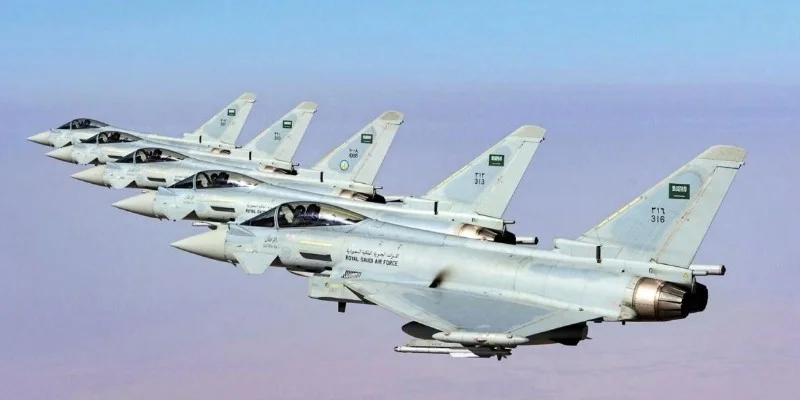
The Saudi-led coalition confirmed its participation in the operation and said about 100 fighter jets were providing air support for Yemeni government forces.
Coalition spokesman Maj. Gen. Turki al-Malki said Saudi naval forces had also targeted what he described as Houthi military positions in Hodeidah on Yemen’s Red Sea coast. He said weapons storage sites, explosive-laden boats and facilities linked to sea mines were destroyed and that an alleged planned attack against shipping routes in the southern Red Sea was thwarted.
Yemeni government forces have also reported advances around Bab al-Mandab and in parts of Taiz, where fighting has intensified in recent days. Government forces said they had disrupted a key supply route leading to Mokha, although conflicting reports remain over whether the port city itself has been fully retaken.
Houthis Claim Attacks on Saudi Targets
The escalation has also spilled across Yemen’s borders.
The Iran-backed Houthis claimed that they had attacked King Khalid International Airport in Riyadh, an Aramco refinery in Rabigh and other strategic targets in Saudi Arabia. Saudi authorities had not confirmed those specific Houthi claims.
Saudi Arabia’s General Authority of Civil Aviation, however, confirmed that Jazan and Najran international airports were targeted on October 5, saying three people suffered minor injuries and property was damaged. Authorities said they were assessing the damage and taking measures to protect passengers.
The Saudi-led coalition also said it intercepted and destroyed a ballistic missile launched toward Khamis Mushait in southern Saudi Arabia, attributing the launch to the Houthis.
Operation Fajr al-Yemen
The internationally recognized Yemeni government has launched an operation known as “Fajr al-Yemen” against the Houthis.
President of Yemen’s Presidential Leadership Council Rashad al-Alimi said the operation aims to restore state institutions, retake territory controlled by the Houthis and end what the government describes as the Houthi rebellion.
The offensive comes after the Houthis seized additional territory from government-aligned forces last month, intensifying fighting across several strategic areas.
Bab al-Mandab and Red Sea Shipping
The fighting around Bab al-Mandab is particularly significant because the strategic strait connects the Red Sea with the Gulf of Aden and serves as a major route for international maritime trade.
The Houthis have previously threatened commercial shipping in the Red Sea and have announced measures aimed at restricting maritime traffic linked to their adversaries. Any prolonged disruption around Bab al-Mandab could further affect regional trade and energy shipments.
Pakistan and Türkiye Pledge Support to Saudi Arabia
The escalation comes as Pakistan, Türkiye and Saudi Arabia activate their collective-defence arrangements under the newly established Makkah Defence Alliance.
Following an emergency meeting in Riyadh on October 5, the three countries agreed to provide agreed military forces and defence capabilities and ensure their rapid deployment to Saudi Arabia if required.
The agreement does not, by itself, confirm that Pakistani or Turkish forces are participating in direct combat operations inside Yemen. The specific number of troops and military assets to be deployed has not been publicly disclosed.
Humanitarian Crisis
The renewed fighting is also creating a major displacement crisis.
According to the United Nations’ International Organization for Migration, more than 184,000 people were displaced between August 1 and October 4 as a result of the latest escalation.
The renewed offensive marks a major escalation in Yemen’s long-running conflict, with government forces backed by Saudi Arabia attempting to regain territory from the Houthis while the group expands its attacks against Saudi targets. The fighting has also increased concerns over the security of the Bab al-Mandab Strait and wider regional stability.
Related Articles
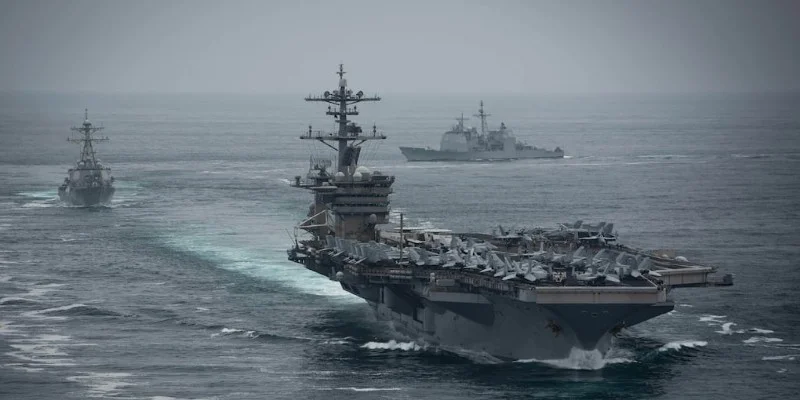
Two Missiles Reportedly Strike Iran’s Qeshm Island as Trump Hints at U.S. Military Strikes
Two missiles reportedly struck Iran’s Qeshm Island as President Donald Trump appeared to acknowledge U.S. military strikes on an air defense system. Meanwhile, Washington issued a security alert urging Americans across the Middle East to exercise increased caution amid rising regional tensions.
US Offers $20 Million Reward for Information on Iran’s Nuclear Programme, Sanctions 8 Canadian Financial Firms
The United States has offered up to $20 million for information on Iran’s nuclear programme while imposing sanctions on eight Canadian financial services businesses accused of helping Tehran and the IRGC move funds through digital assets.

Trump Defends Iran War, Says Israel and Middle East Would Not Exist Without US Military Action, Warns of Further Strikes
US President Donald Trump has defended his military campaign against Iran, claiming Israel and the entire Middle East would not exist if he had failed to prevent Tehran from acquiring nuclear weapons. His remarks come after Vice President JD Vance blamed the Iran war for the Republican Party's midterm election defeat. Trump has also warned of further military action against Iran, insisting that the biggest phase of the campaign has yet to come.
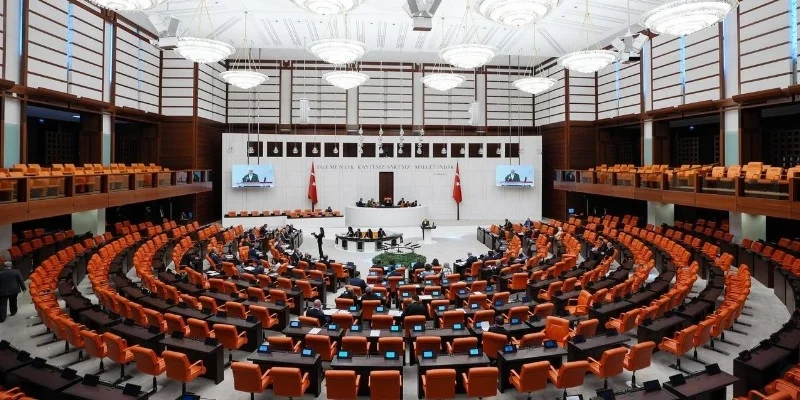
Turkish Parliament Ratifies Mecca Defence Pact with Pakistan and Saudi Arabia
Türkiye’s parliament has ratified the Mecca Joint Defence Agreement with Pakistan and Saudi Arabia by 279 votes to 119, formalising a trilateral pact under which an armed attack against one member would be treated as an attack against all three. The agreement provides for military coordination, intelligence sharing and mutual defence assistance, while any deployment of Turkish troops to Saudi Arabia would require separate parliamentary approval.