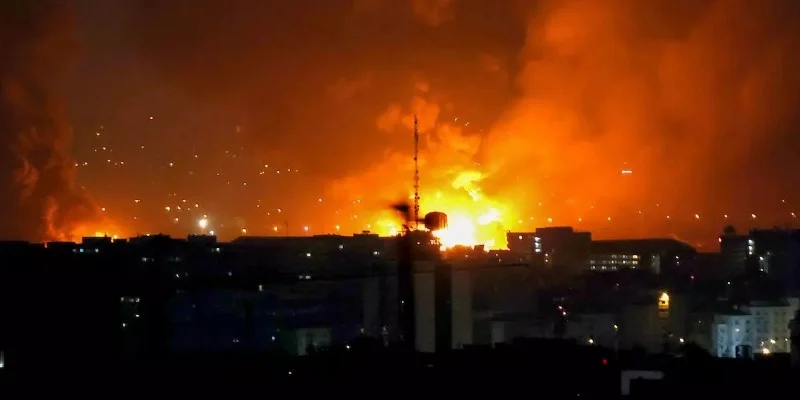
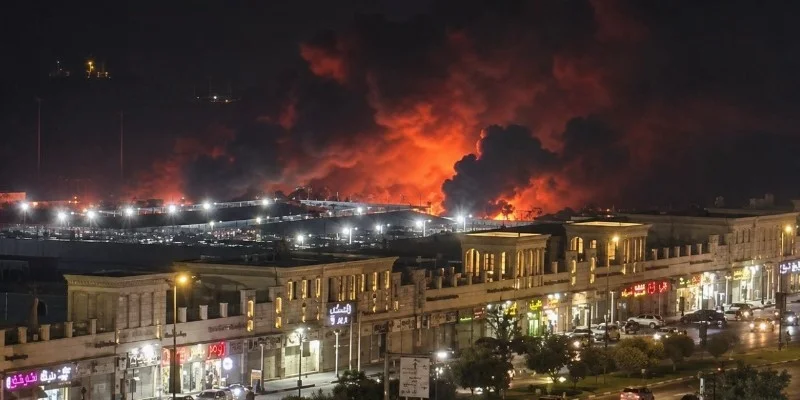
The U.S. military has launched the third phase of strikes against Iran, saying the operation is a response to the IRGC's alleged attack on the container ship JFS Galaxy in the Strait of Hormuz. Iranian media reported airstrikes on multiple southern cities, while U.S. officials said the campaign aims to reduce Iran's ability to threaten commercial shipping.
Fresh strikes targeted southern Iran as regional tensions remained high, while Tehran accused the UAE of assisting U.S. operations. The developments came amid renewed diplomatic efforts to preserve the interim Iran-U.S. peace agreement and prevent a return to full-scale conflict.
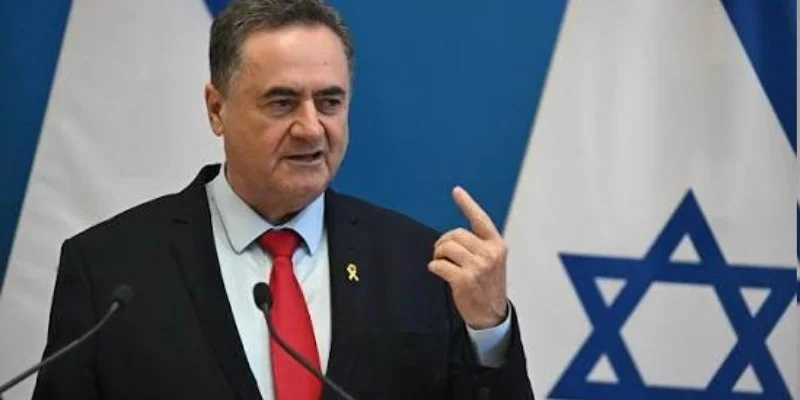
Israeli Defense Minister Israel Katz said Israel is prepared to launch a third strike on Iran with greater force if necessary, while military chief Eyal Zamir said the army remains on high alert and ready for any operation amid rising regional tensions.
Iran's Health Ministry said 14 people were killed and 78 injured in U.S. strikes over the past two days. As Washington expanded its attacks to nearly 90 targets across Iran, Tehran accused the U.S. of committing a "serious war crime" and warned of further escalation.
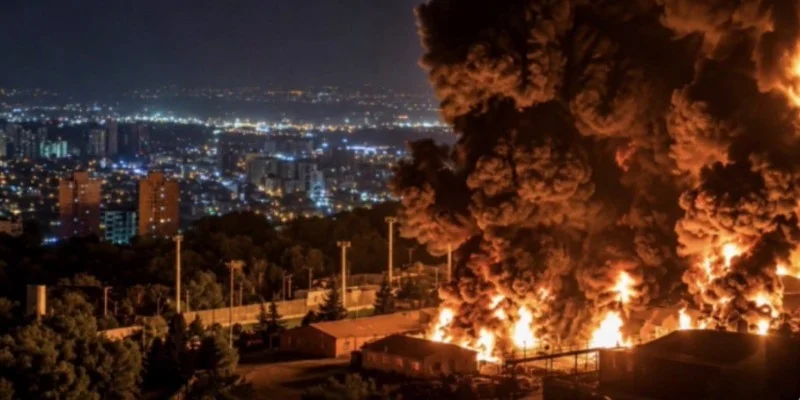
The United States launched a second consecutive day of airstrikes against Iran, with CENTCOM saying the attacks targeted Iran’s ability to threaten commercial shipping in the Strait of Hormuz. Iranian media reported explosions in Chabahar, Bandar Abbas, Bushehr and other areas, while Tehran claimed damage and casualties from the strikes.
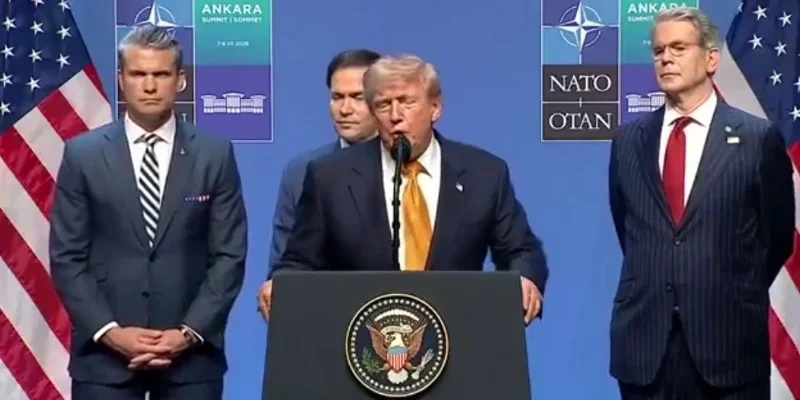
U.S. President Donald Trump said the interim ceasefire agreement with Iran is now “over,” accusing Tehran of misrepresenting the understanding reached between the two sides. The U.S.-brokered deal, facilitated by Pakistan, had provided a 60-day period for negotiations toward a permanent agreement. Trump also said Washington has revoked a license allowing Iranian oil sales after renewed tensions in the Strait of Hormuz.
The United States launched a new wave of strikes on southern Iran, targeting air defense systems, missile sites, and drone launch facilities after accusing Tehran of attacking commercial vessels in the Strait of Hormuz. Washington also reimposed restrictions on Iranian oil exports, prompting Iran to condemn the move as a violation of their recent memorandum of understanding.
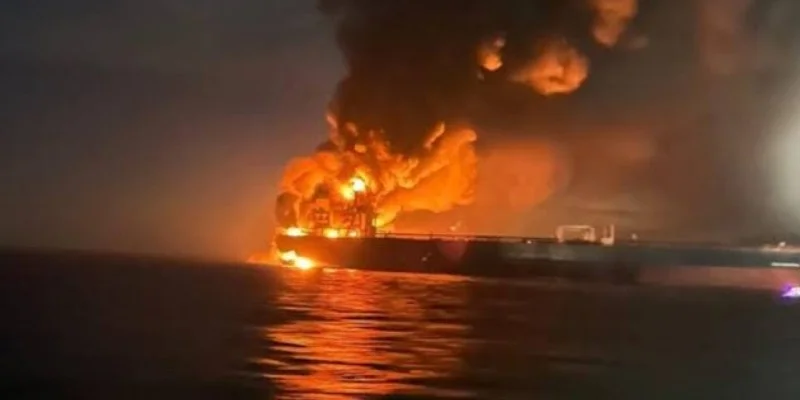
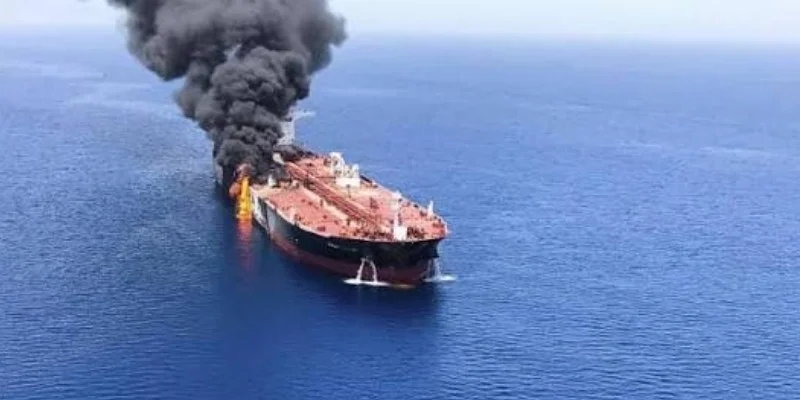
Three vessels reported attacks near the Strait of Hormuz, including a Qatari LNG carrier hit by a drone strike that caused a fire. Qatar blamed Iran for the incident, while Tehran has not yet commented. The attacks come weeks after Iran agreed to keep the strategic waterway open for commercial shipping.
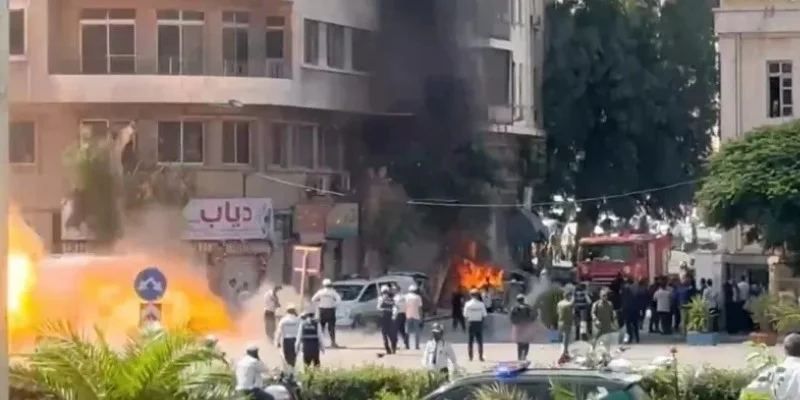
Two explosions near a hotel in Damascus where French President Emmanuel Macron was staying injured at least 18 people. Macron was not at the location during the blasts and continued his scheduled visit to meet Syrian President Ahmed al-Sharaa. Authorities said explosive devices were found in a vehicle and a garbage container.
Iran’s state broadcaster IRIB claims an Iranian missile strike targeted a Qatari oil tanker near Oman’s coast after it allegedly ignored warnings while passing through the Strait of Hormuz. UKMTO confirmed the incident but said the vessel was hit by an unidentified missile, with no casualties reported.
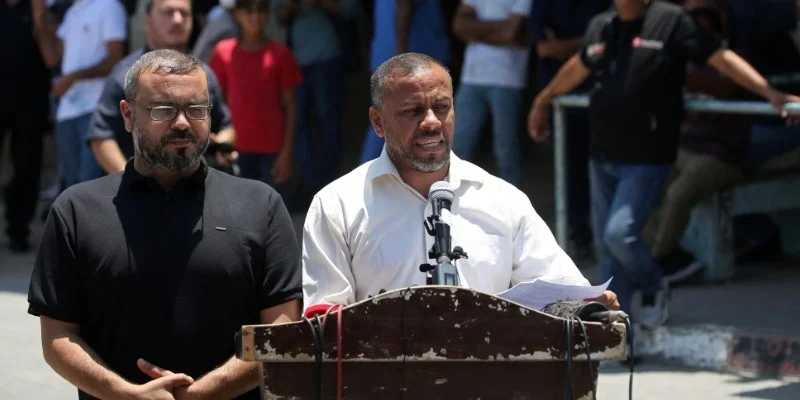
Hamas has dissolved its de facto governing authority in Gaza after nearly 20 years, paving the way for a U.S.-backed technocratic administration as part of a post-war framework. The move comes amid ongoing ceasefire tensions and continued Israeli military operations in the enclave.
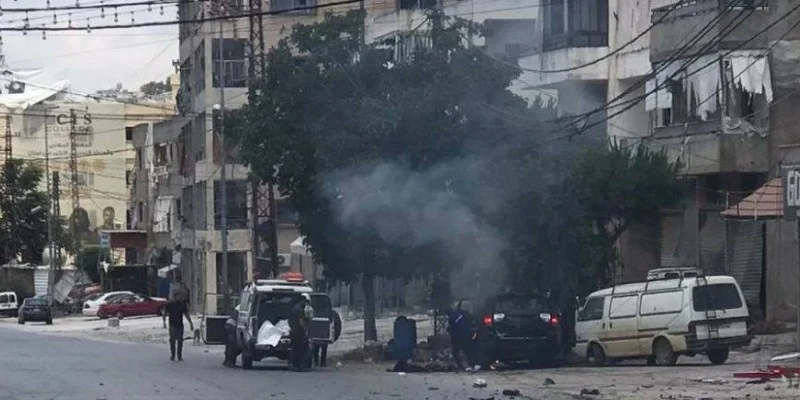
An Israeli drone strike on a vehicle in southern Lebanon killed four civilians, including a school principal, her mother, a domestic worker, and a Syrian laborer. The attack has raised fresh concerns over the fragile U.S.-Iran-backed ceasefire framework covering Lebanon.